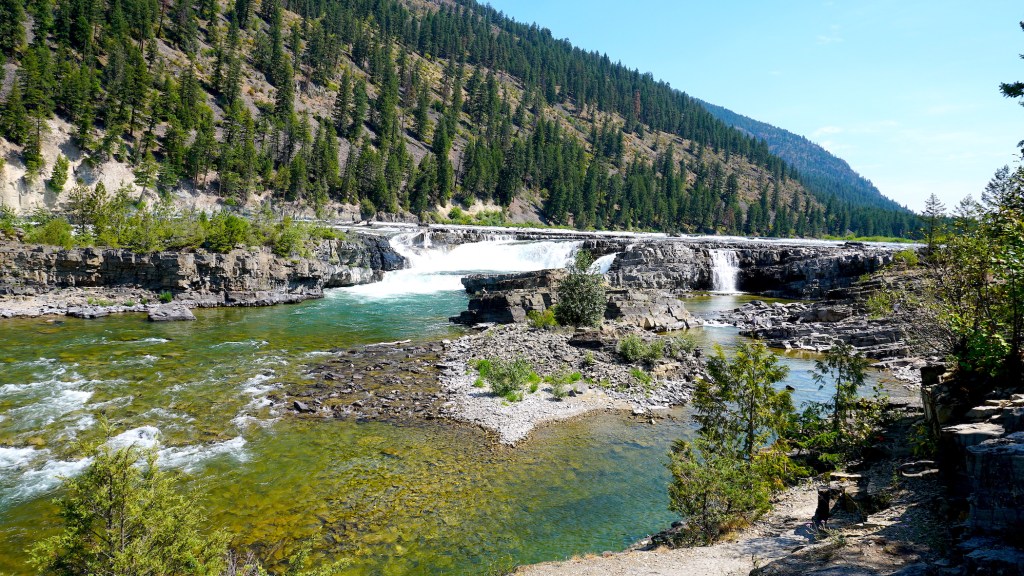
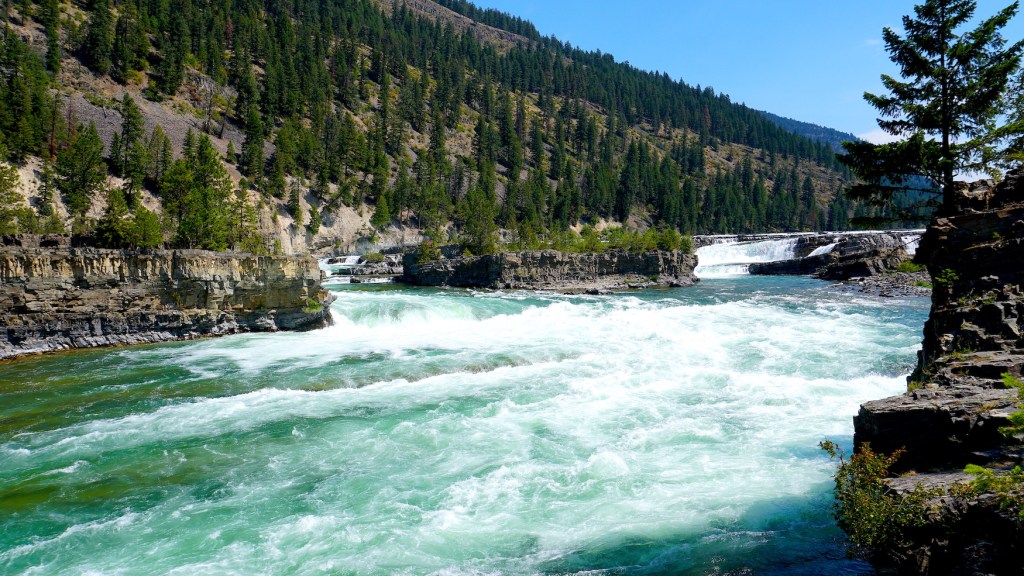
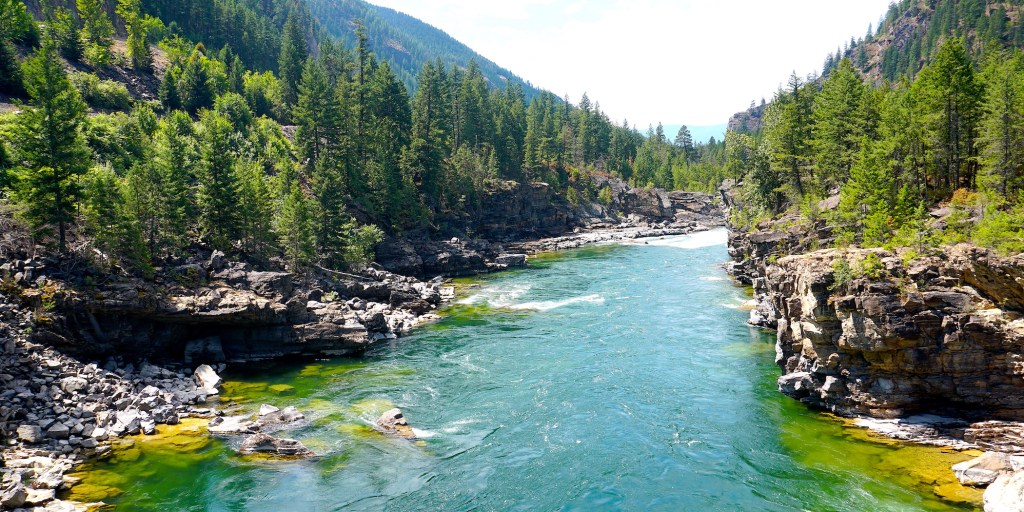
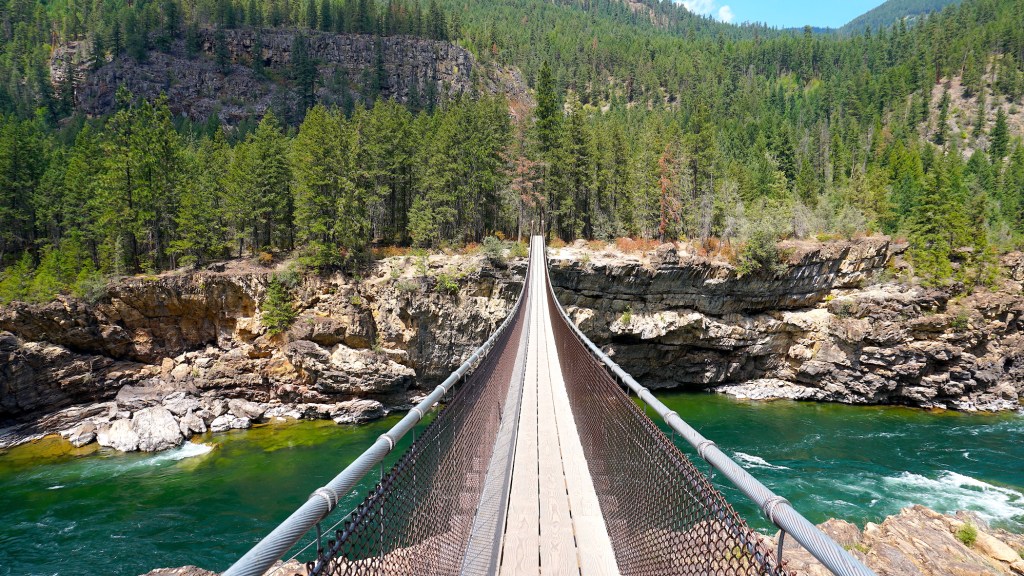
After two and a half weeks on the road, it was time to move on to our final destination, Spokane. Along the way we had several pleasant surprises. The first was Kootenai Falls Trail to the Suspension Bridge. It was an easy hike with fantastic views including multiple waterfalls and bridges.
Kootenai Falls Trail
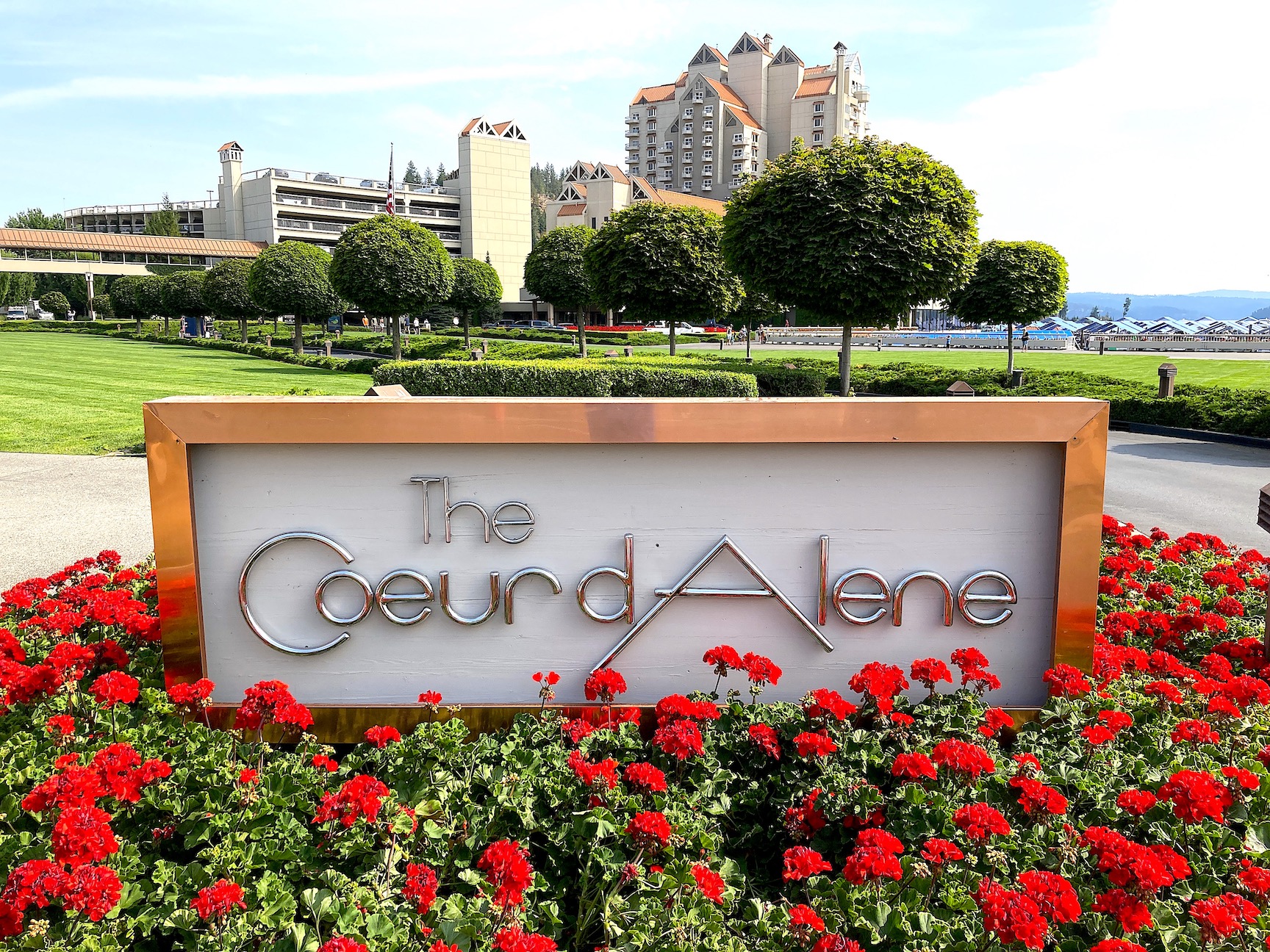
The second was the town of Coeur d’ Alene. The resort town on the shores of Coeur d’ Alene Lake was a great stop and perhaps a place we should have planned to spend the night. The small downtown, marina and beach are all within easy walking distance.
I have been wanting to take our family to Glacier National Park ever since I made a solo visit ten years ago. We had to alter some of our plans in this summer after Covid lockdowns. Accommodations were hard to get and considerably more expensive. We stayed in Kalispell which had more economical options and all the services we could want, but it is further from West Glacier than Whitefish and Columbia Falls. The town of Whitefish is a tourist hot spot for dining and shopping. At another time, Whitefish would definitely be the preferred place to stay and the Lodge at Whitefish Lake would have been ideal.
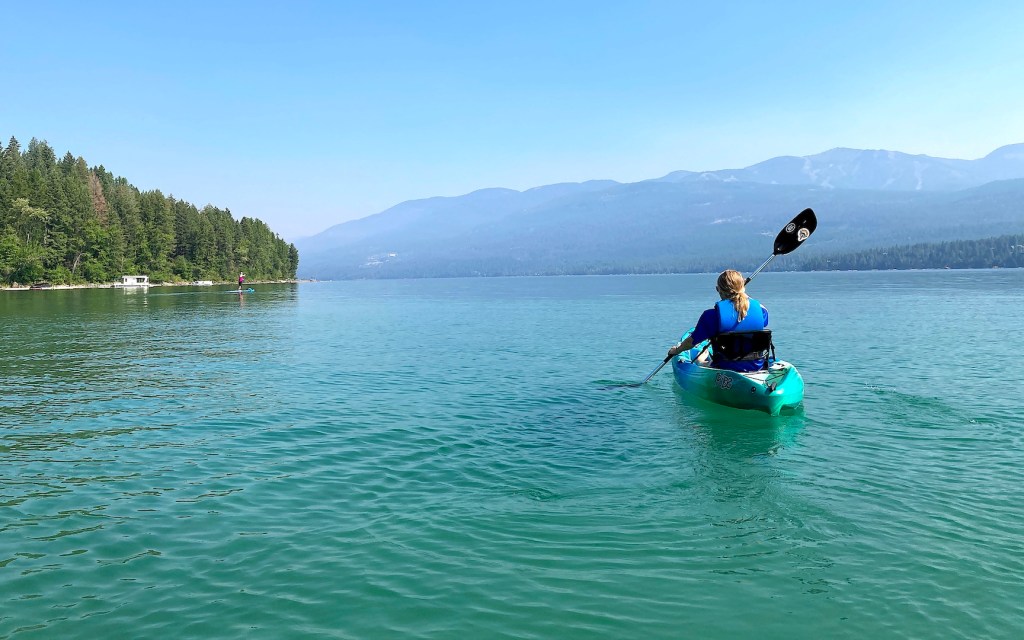
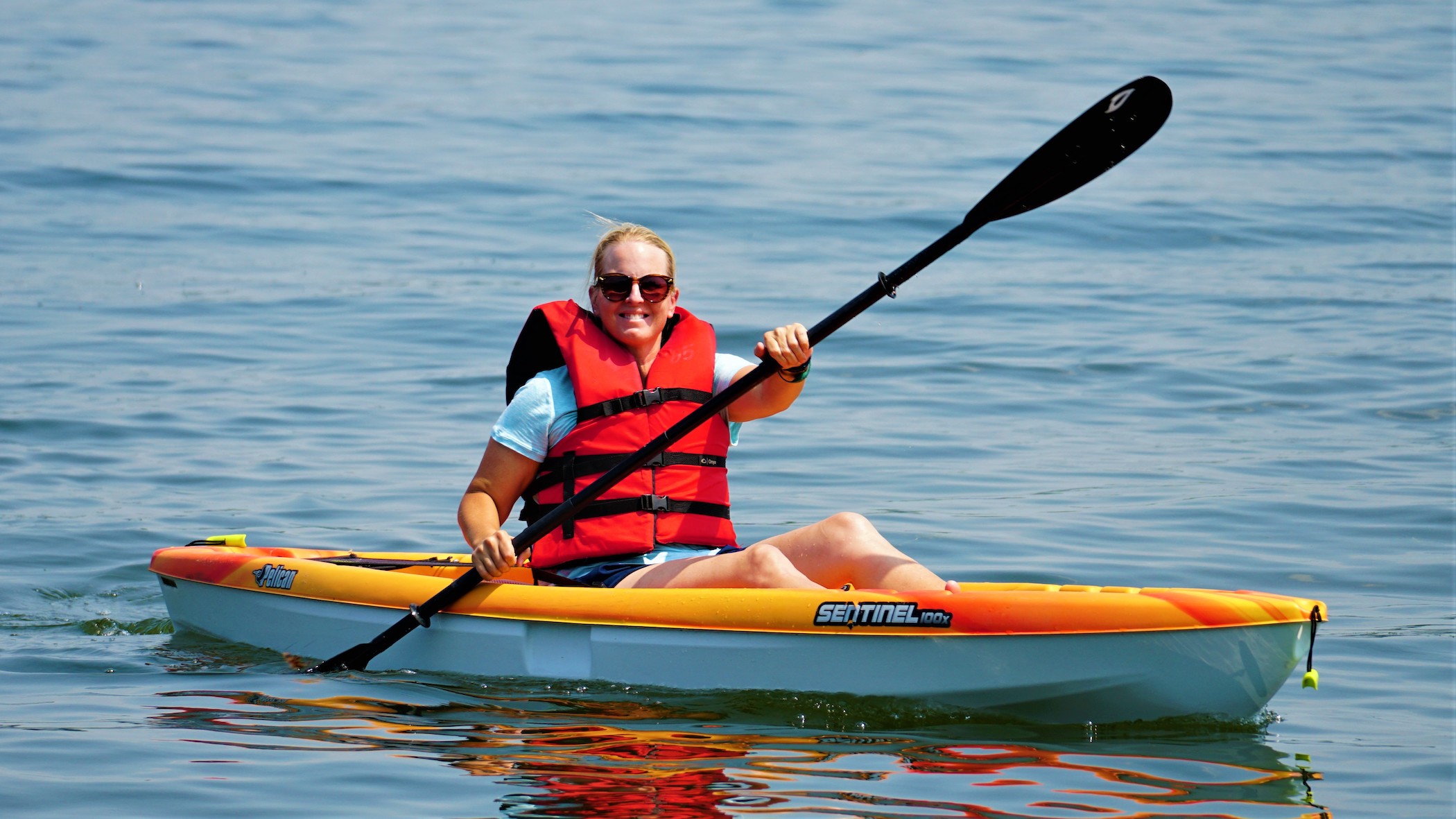
During my first visit I got to take the Lady of the Lake boat tour from the lodge’s marina but we were unable to make a reservation. Instead we rented kayaks at Whitefish Lake State Park for a more active way to enjoy it. The cool clear water was a nice way to enjoy the outdoors on a hot and steamy day.
Kayaking on Whitefish Lake
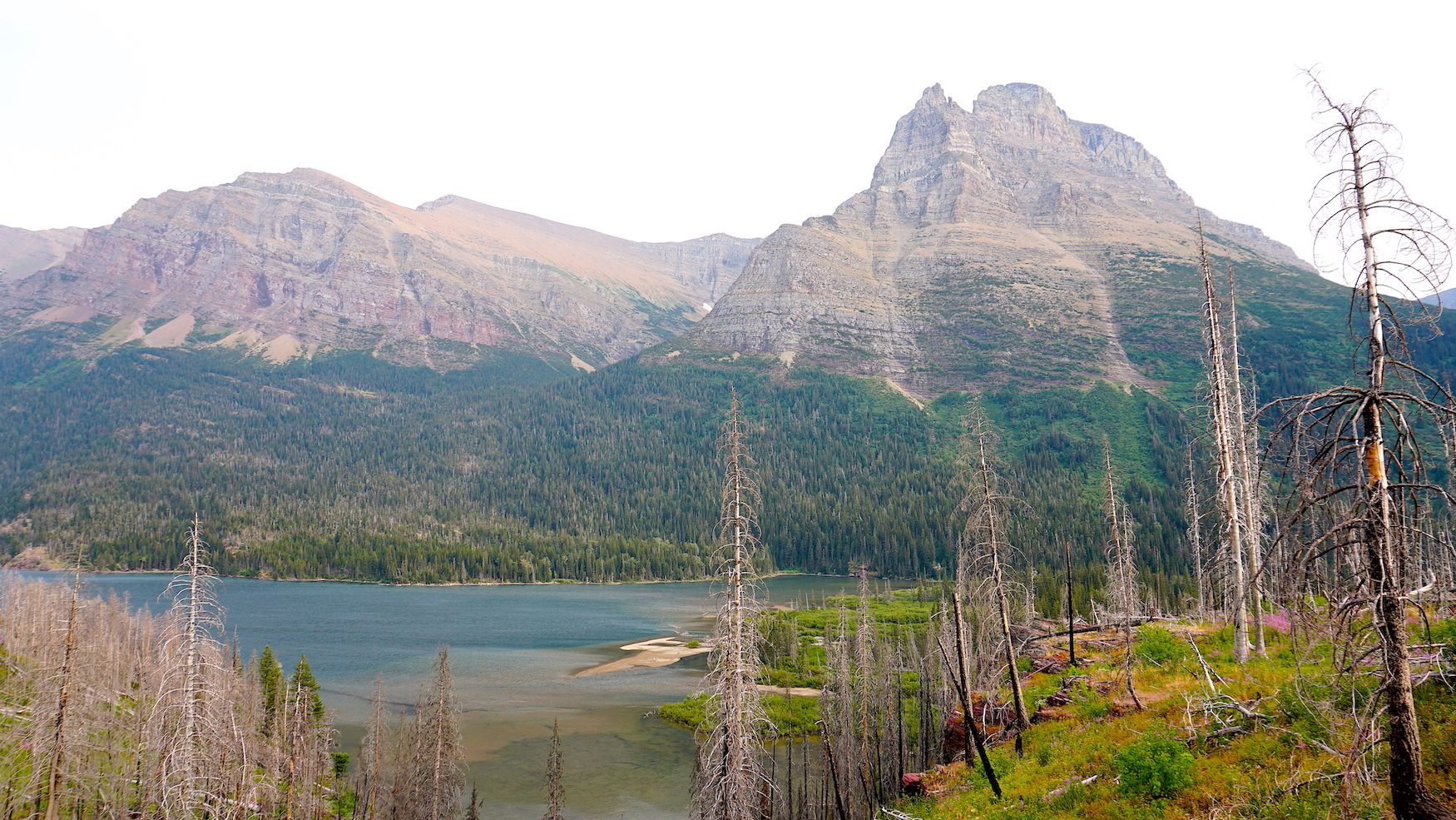
Access to Glacier was restricted from 7 AM to 5 PM due to the crowds, so we had to institute Plan B. Each day we spent doing activities outside the park and each evening we went at 5 PM, which wasn’t ideal, but worked well for us. During unusually hot weather, the evening provided cooler temperatures and summer sunlight until 9:30 PM. The only real negative was we did not have enough daylight to do one of the 10-mile, 6 hour hikes we had planned. Lake MacDonald was the perfect place to watch the sunset on our way out of the park each night.
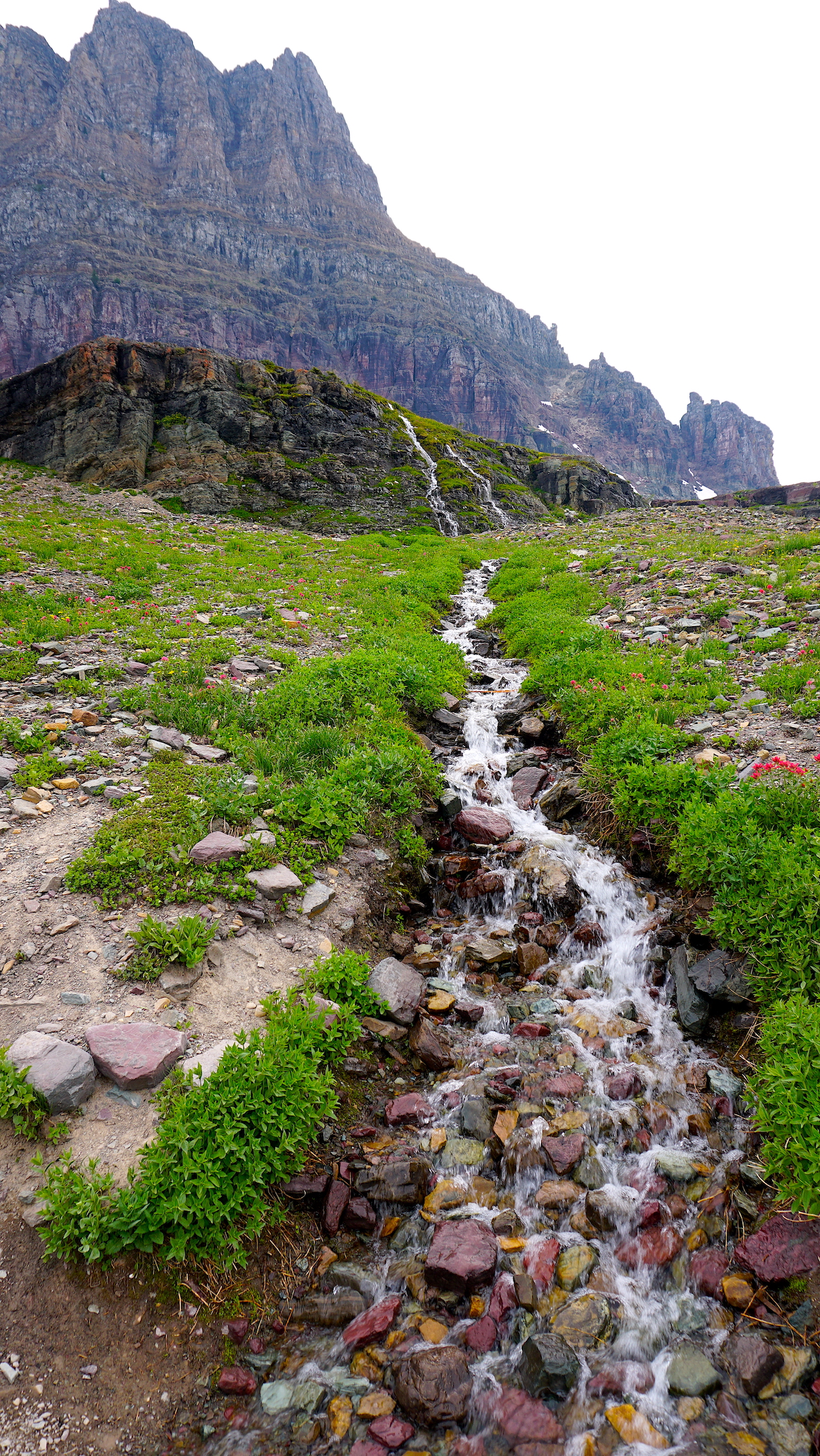
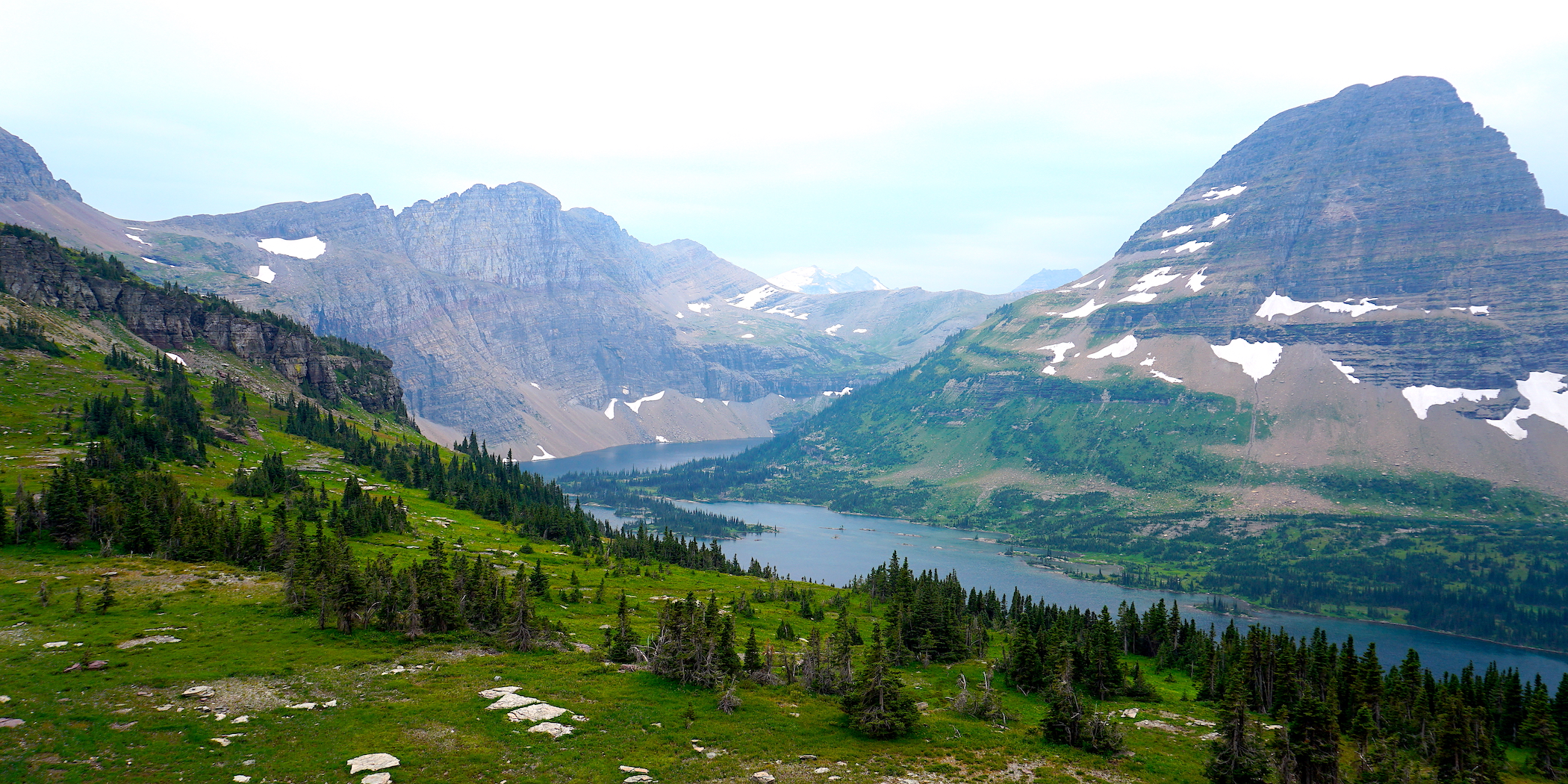
Hidden Lake and Highland Trails from Logan Pass
Being in the park at dusk improved our chances to see wildlife. We saw mountain goats, bear and elk.
Mountain Goats, Deer and Bear
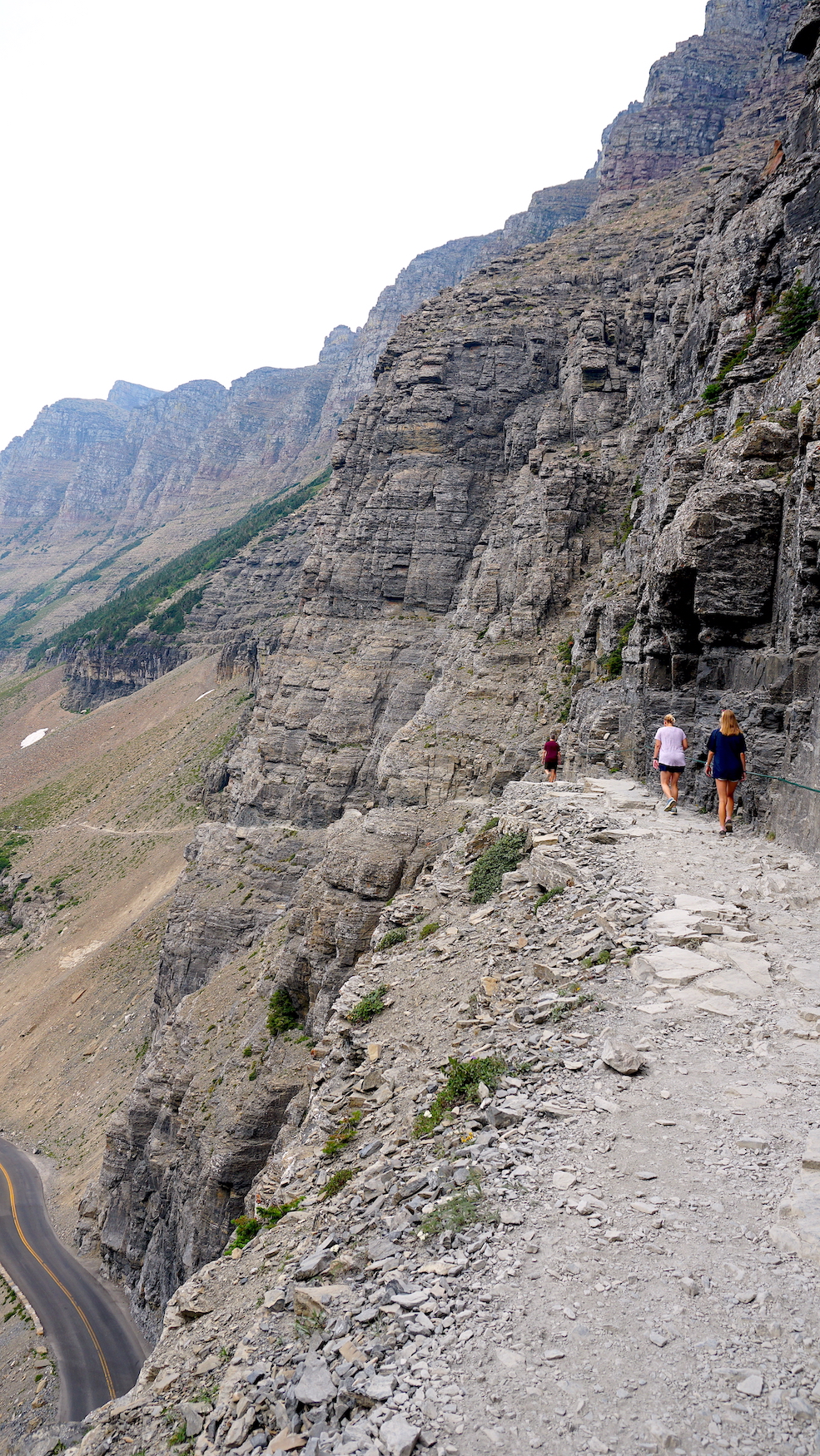
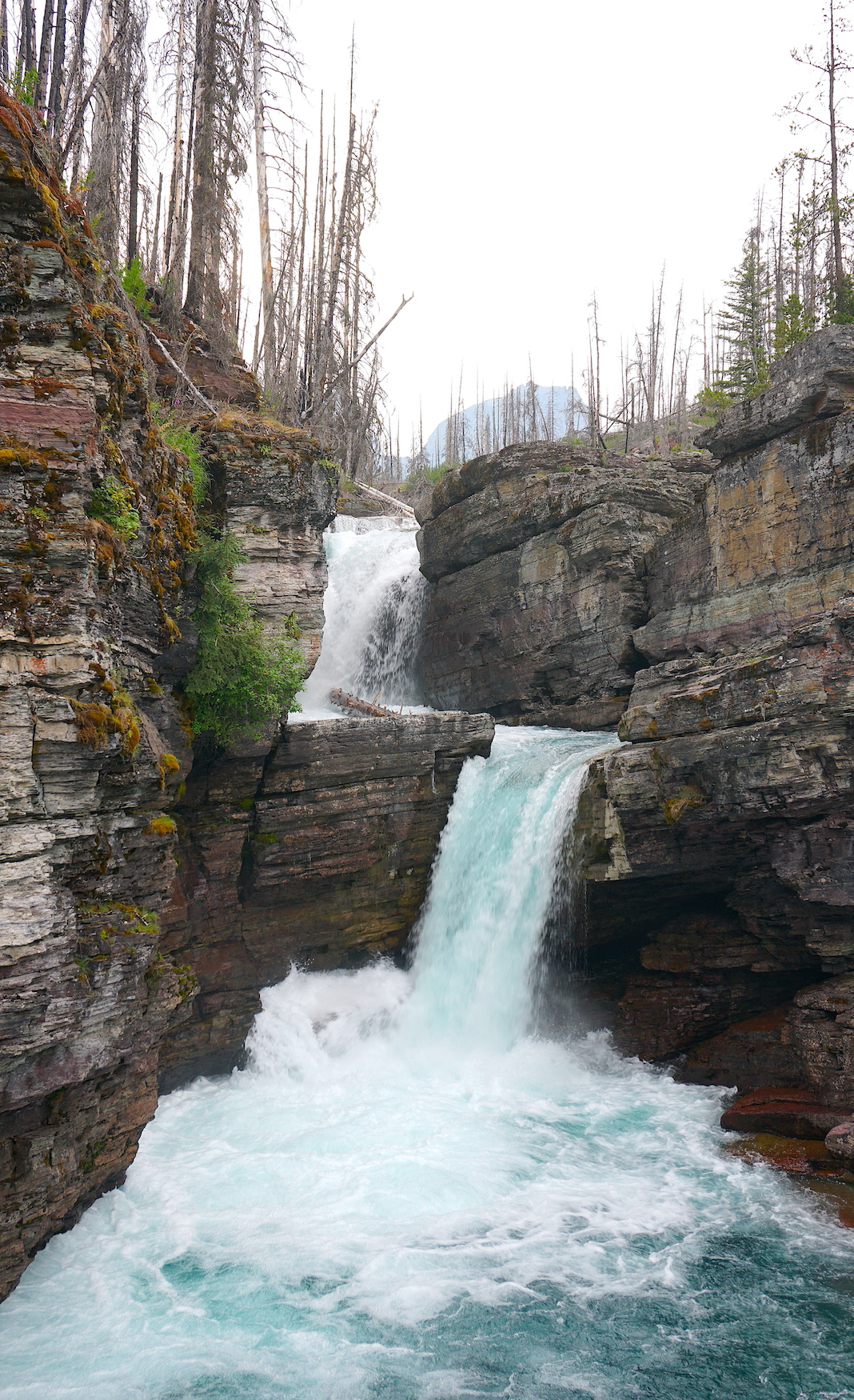
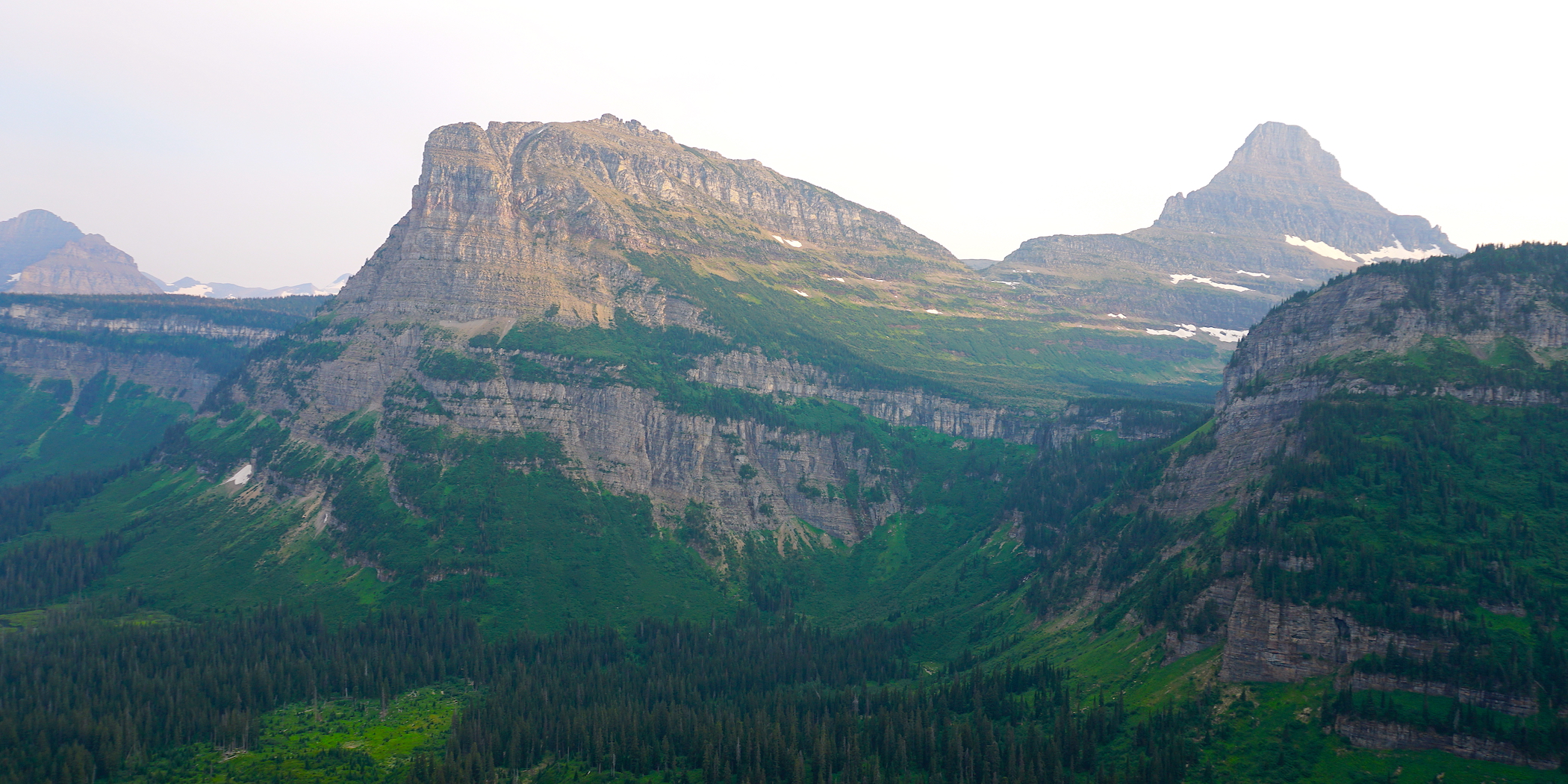
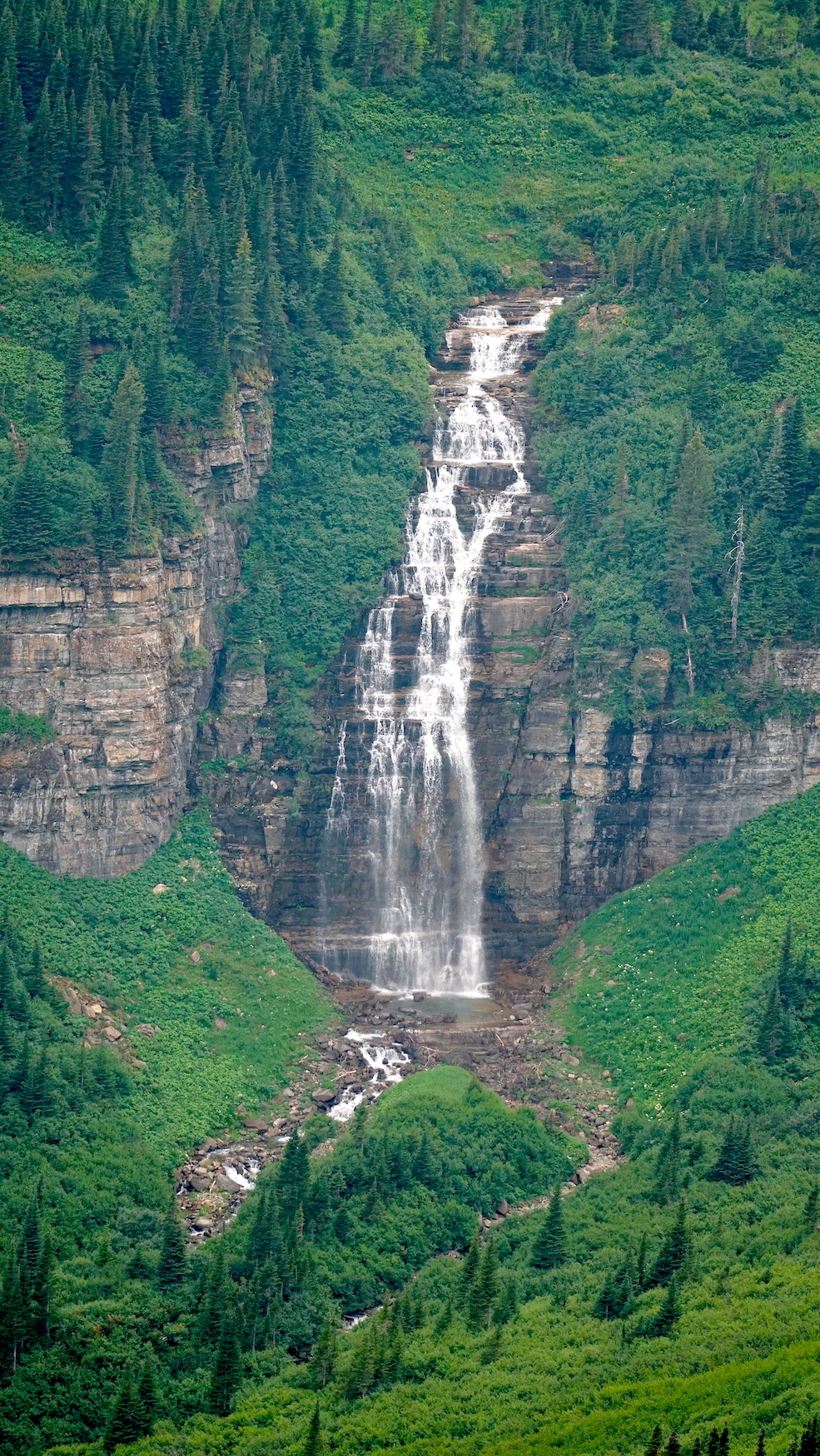
We enjoyed the St. Mary’s Falls Trail and Hidden Lake Trail, which are both popular and not too strenuous. Our favorite was the Highline Trail. We did not have time to do the entire hike but the section we did from Logan’s Pass was spectacular and could be a little scary for people afraid of heights. Not having the time to complete it was my only regret.
St. Mary’s Falls Trail and the Going to the Sun Road
From Bannack we started north to Butte. Situated on the side of a mountain, Butte was a nice place to take a break from the road. We did not stay long. The town has plenty of old west charm based around their copper mining history. Butte is recovering from years of environmental damage due to that mining.
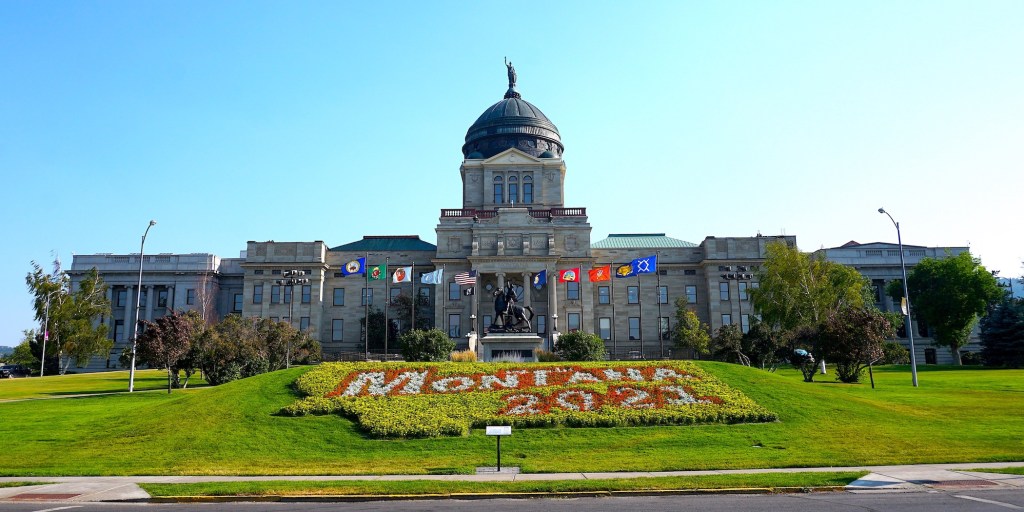
Helena, a small town of only 34,000 people, is the state’s capital. We make it a point to visit state capitals and we are fans of the Paramount TV series Yellowstone, so we had to visit. The Capitol Building is impressive. Completed in 1902, it was designed by Charles Bell, who also designed the similar South Dakota State Capitol. Helena also served as a good base camp for our day at Gates of the Mountains.
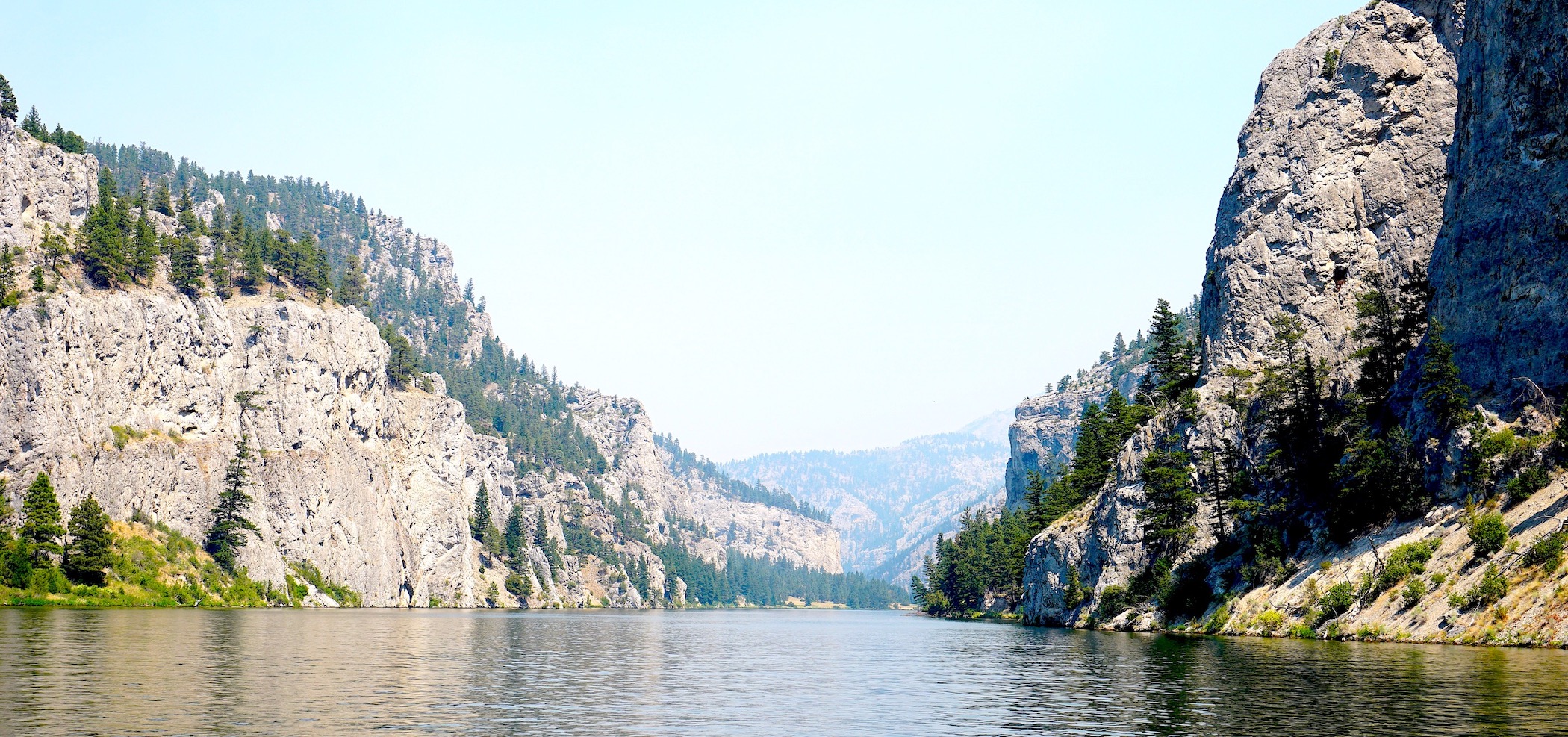
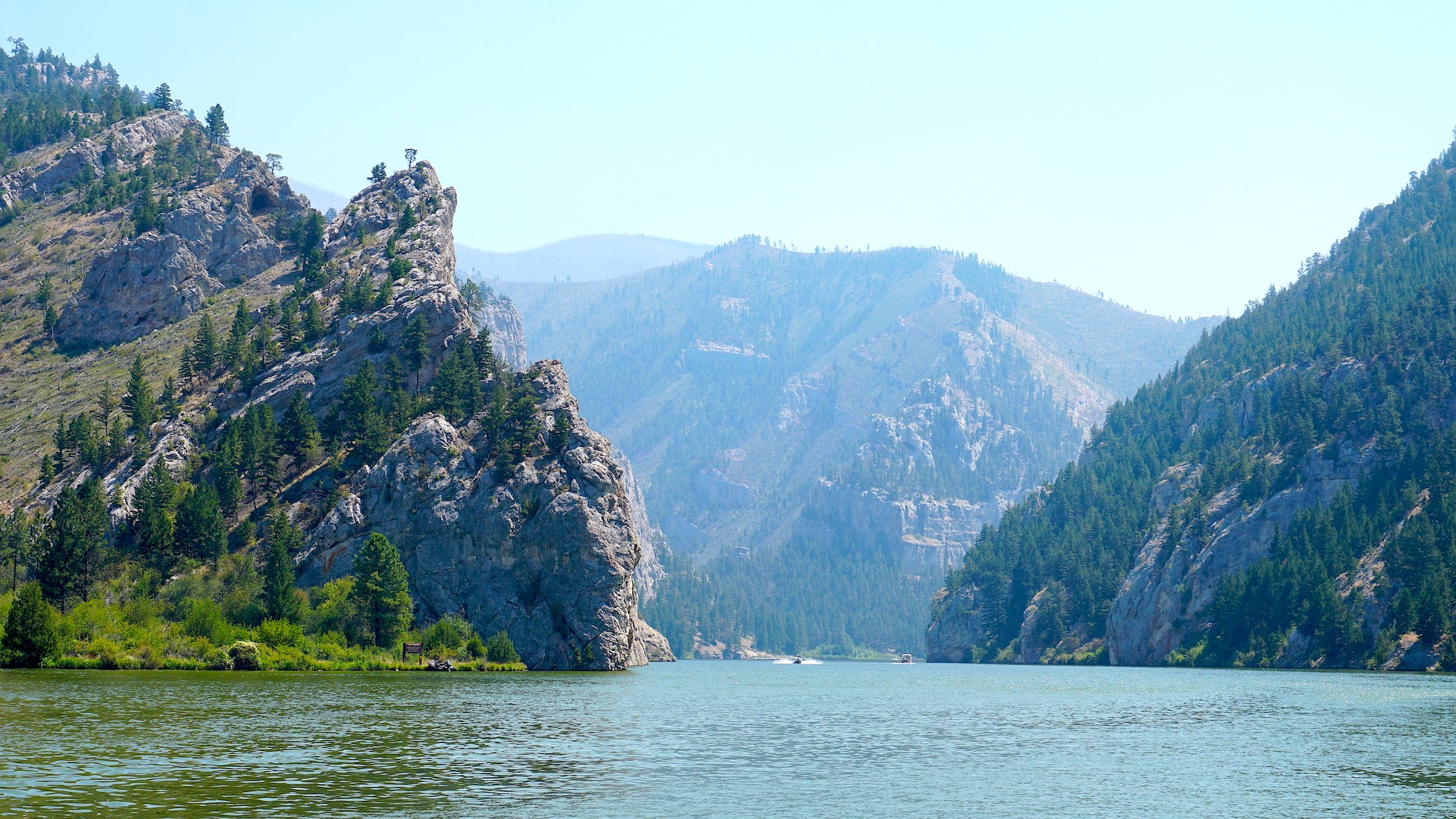
Gates of the Mountains Wilderness is an access point to a remote section of the Missouri River about 25 miles north of the capital. We took the Canyon Voyager boat tour up the river retracing the route Lewis and Clark took. Bear were not visible during the heat of the day but several bald eagles and osprey were active in the valley.
Gates of the Mountains Wilderness
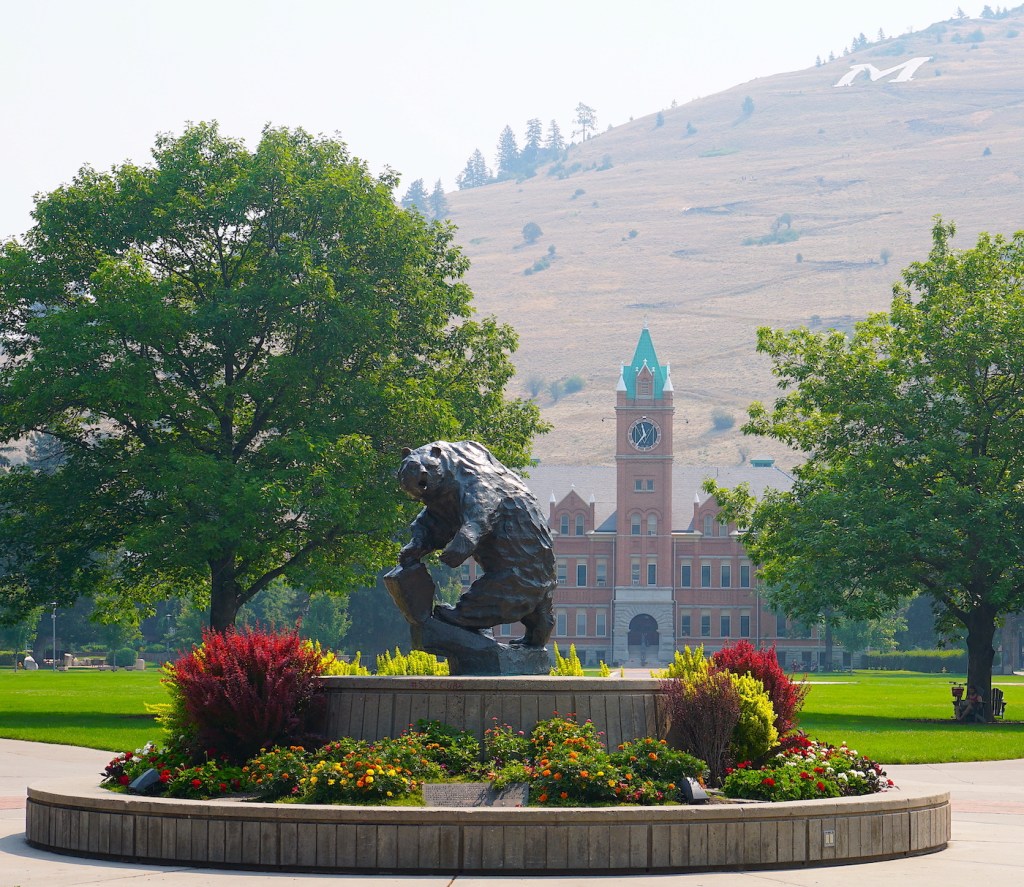
Missoula, between Helena and Kalispell, was another stop along the way. We walked around the University of Montana and along the river at Caras Park in downtown. It was a nice stop in what appeared to be the state’s liberal outpost.
Having crossed Minnesota and North Dakota from east to west, next up was the Big Sky Country of Montana.
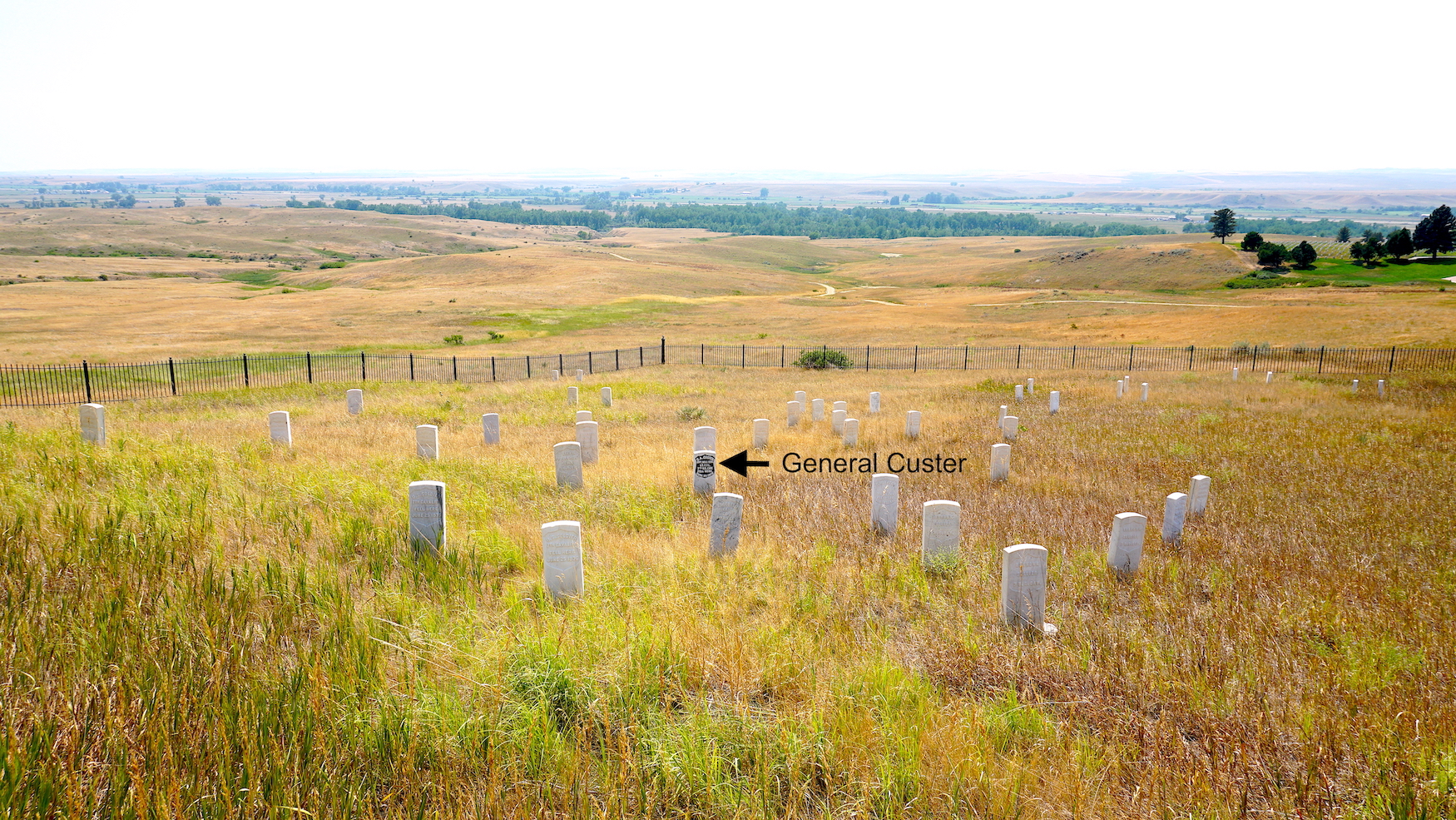
Our first stop was Little Bighorn Battlefield Monument, the infamous site of Custer’s Last Stand or Crazy Horse’s greatest victory in the Great Sioux War of 1876. The battlefield monuments are well done and made for an interesting stop along the way.
Little Bighorn Battlefield Monument
On our way to Glacier National Park we visited several of Montana’s largest towns and one of its smallest.
Billings is the state’s largest city at only 110,000 residents, smaller than High Point, North Carolina. The city has grown due to the shale oil boom and has an industrial vibe. Our favorite activity in Billings was hiking along the Rimrocks which provided a nice view of the city below. We also enjoyed Pictograph Cave State Park.
Billing’s Rimrocks and Pictograph Cave State Park
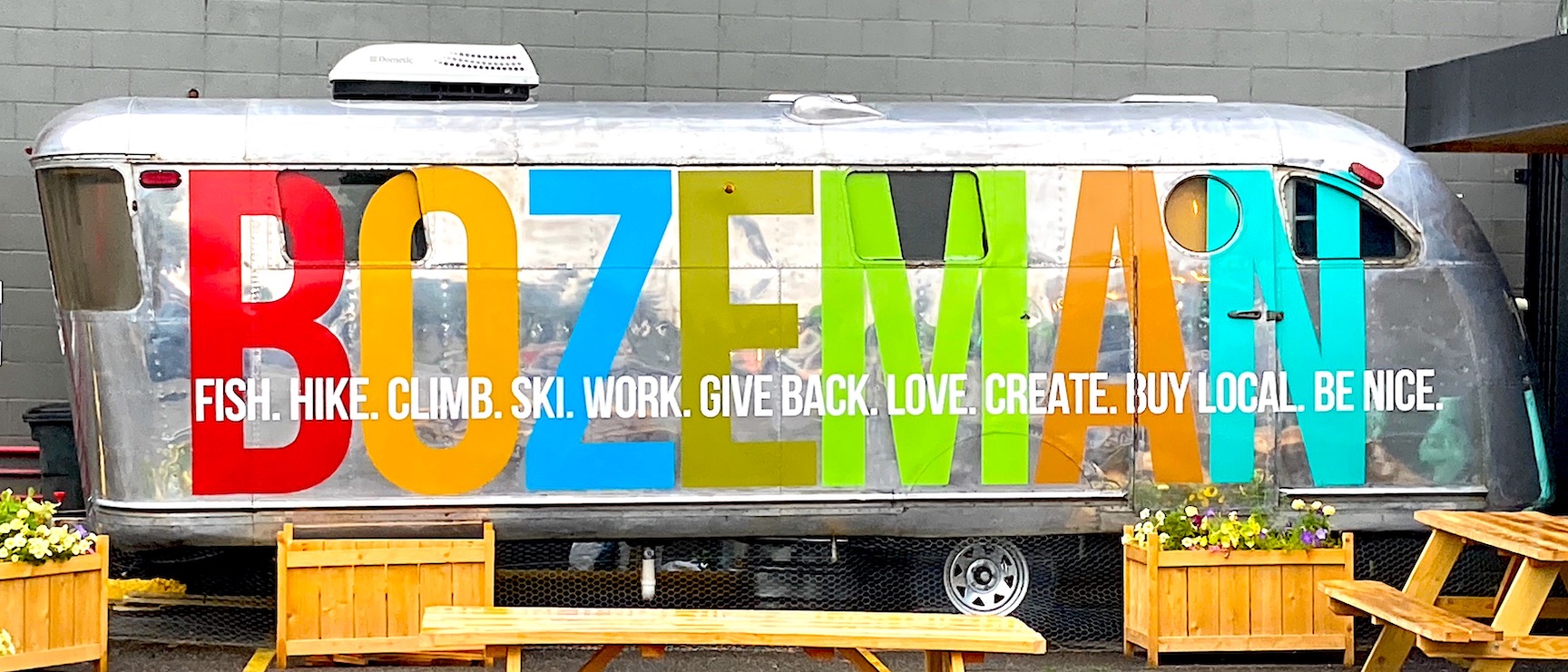
Bozeman, on the other hand, was half the size and twice the energy. We stayed in the vibrant historic downtown district where there is plenty of excitement. Montana State University is a short walk from Main Street and less than 2 hours from Yellowstone’s North Entrance, Bozeman’s energy is the intersection of students and tourists 7 days a week.
From Montana’s most exciting town to its most quiet, we went off the beaten path to the own of Bannack , population 0. The ghost town in Bannack State Park is about 25 miles west of Dillon near the Idaho border. Bannack was founded during the 1860’s gold rush and remained an active community throughout the early 1900’s. The town is well preserved. It was a great place to visit because they allow you to enter most buildings and walk freely around town. If you like history, or even old western movies, this is the place for you.
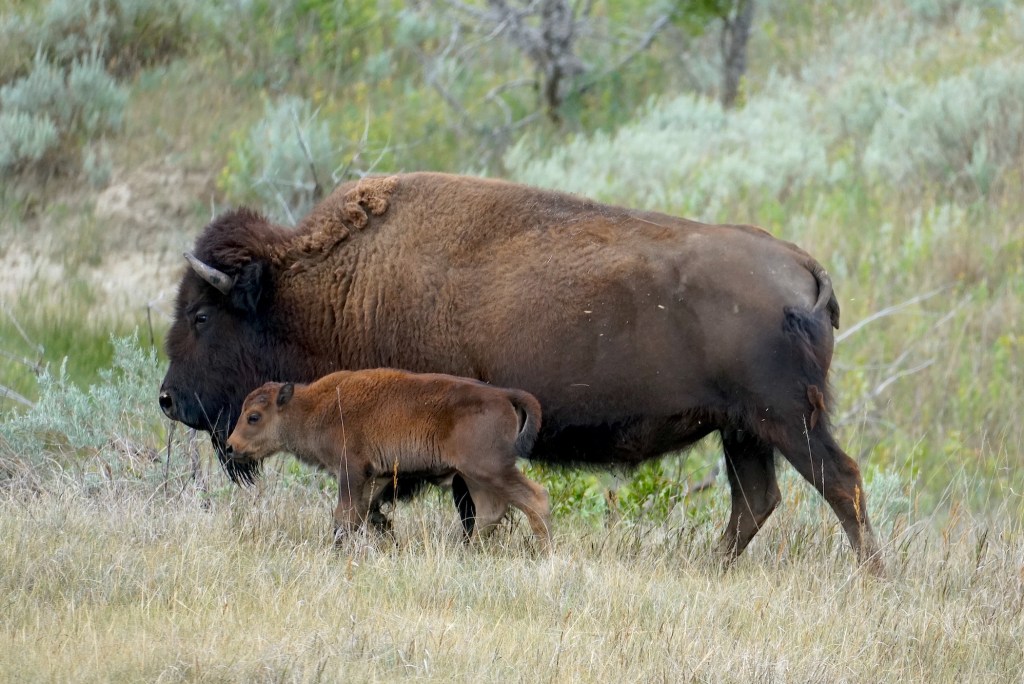
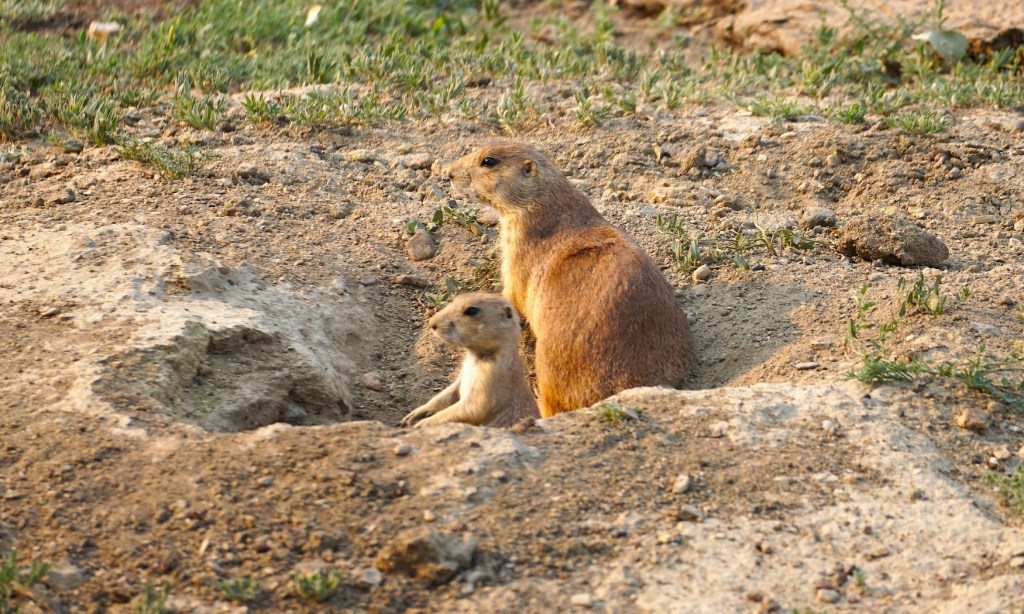
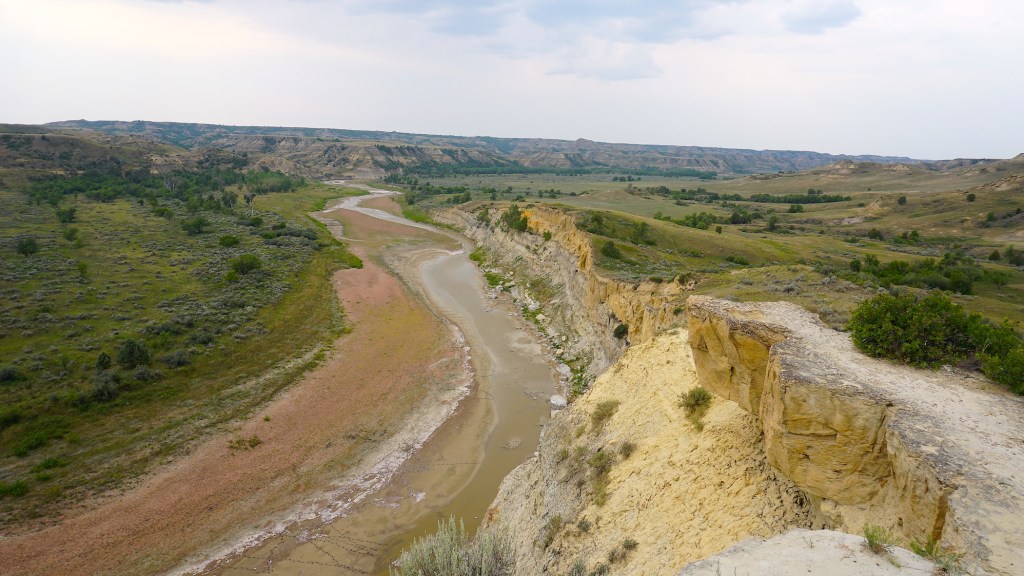
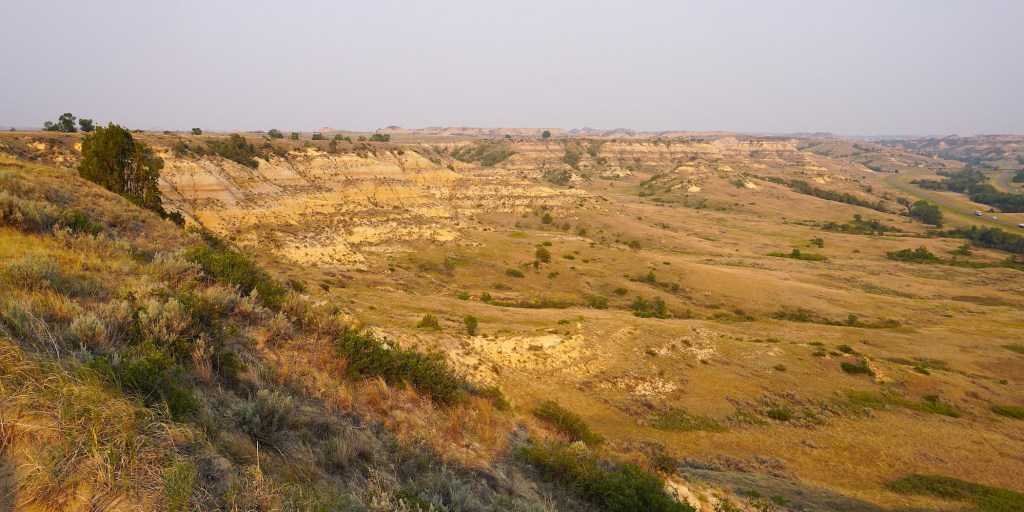
Theodore Roosevelt National Park, the Badlands of North Dakota
The highlight of North Dakota and one of our favorite stops this trip was Theodore Roosevelt National Park (TRNP). The park is actually comprised of three areas, the North Unit, South Unit and Elkhart Ranch with much of the land unreachable by car. We entered the park at three points, the North Unit, South Unit Main Entrance and Painted Canyon Entrance.
Painted Canyon Entrance
We started at the Painted Canyon Visitor Center. From there we took a modest hike with nice views of the colorful rock layers.
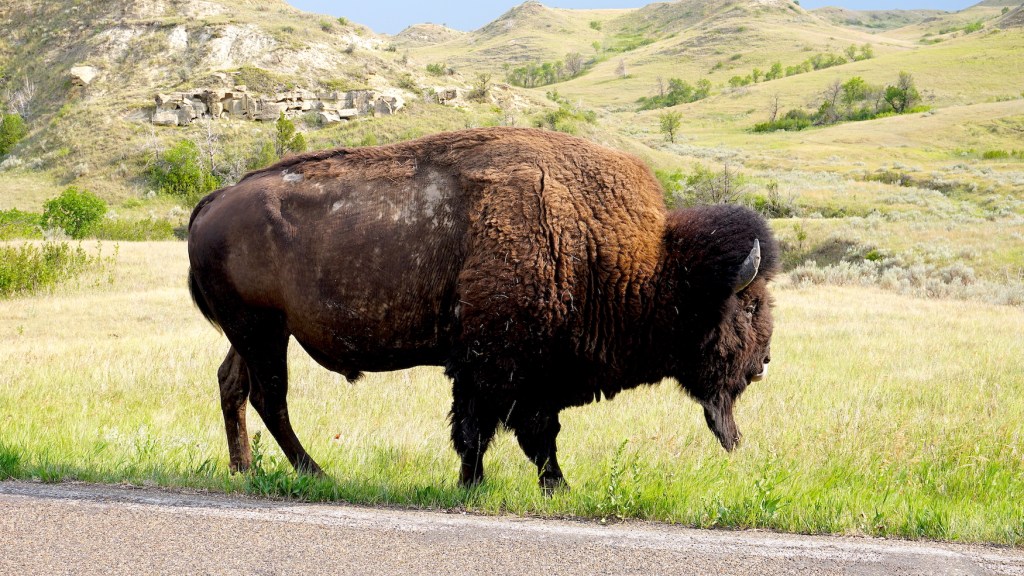
In the North Unit, we hiked a few trails, the most significant was the Caprock Coulee Trail. It was a fantastic hike with great views but the trail is not heavily travelled, the markings are poor, and the trail has narrow sections that are overgrown. Take a compass and pay close attention. Bison roam freely and prairie dogs are plentiful.
The South Unit is the most popular part of TRNP. Medora, a western-themed tourist town, sits at the park entrance. The town’s accommodations are popular with the park visitors but we chose to stay in Dickinson, about 40 miles east, for better food and lodging options. It too has plenty of wildlife throughout. We hiked several of the shorter trails. If we had more time, we might have taken one of the longer trails in the South Unit.
Theodore Roosevelt National Park does not get much press but it is well worth the visit if you ever find yourself traveling in the area.
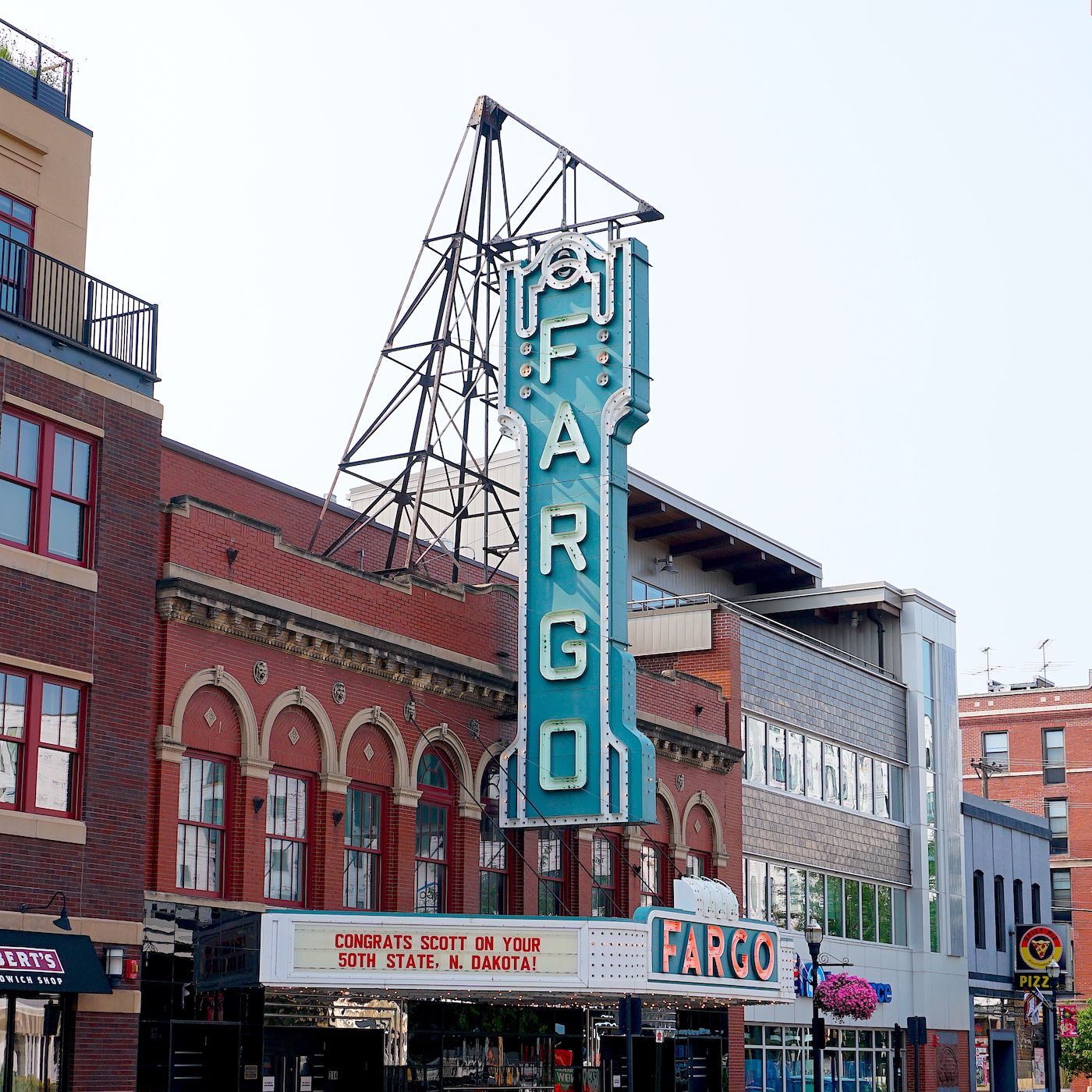
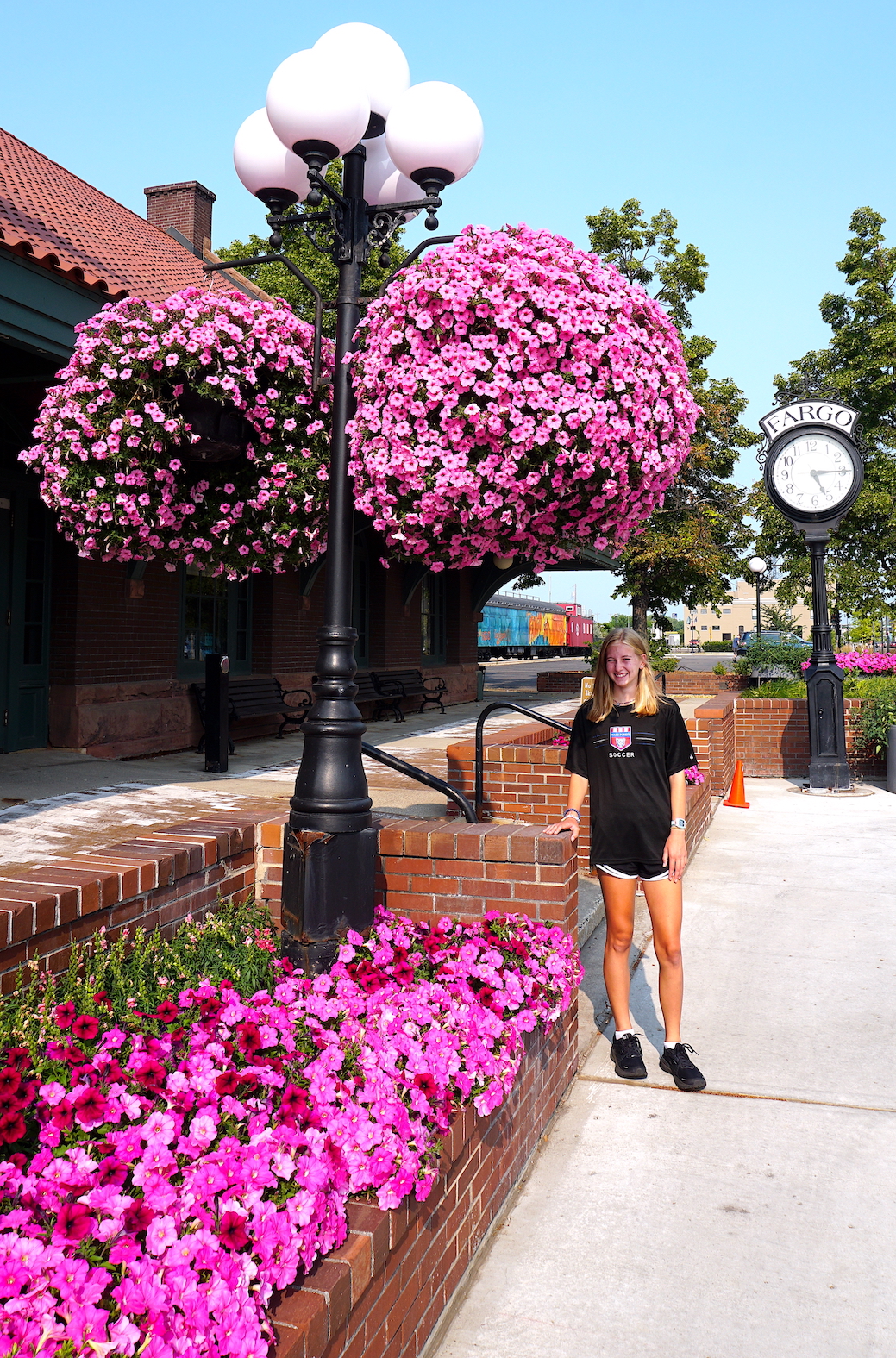
Tourist might not be flocking to North Dakota but I was particularly curious since it was one of only two states I had not yet visited. We spent our first night in Fargo and the next two in Dickinson.
Fargo is on the Red River which is the border of Minnesota. It’s a small city but still the largest in North Dakota. Originally Centralia it was renamed Fargo after William Fargo, one of the founders of Wells Fargo Bank and the company that eventually became American Express.
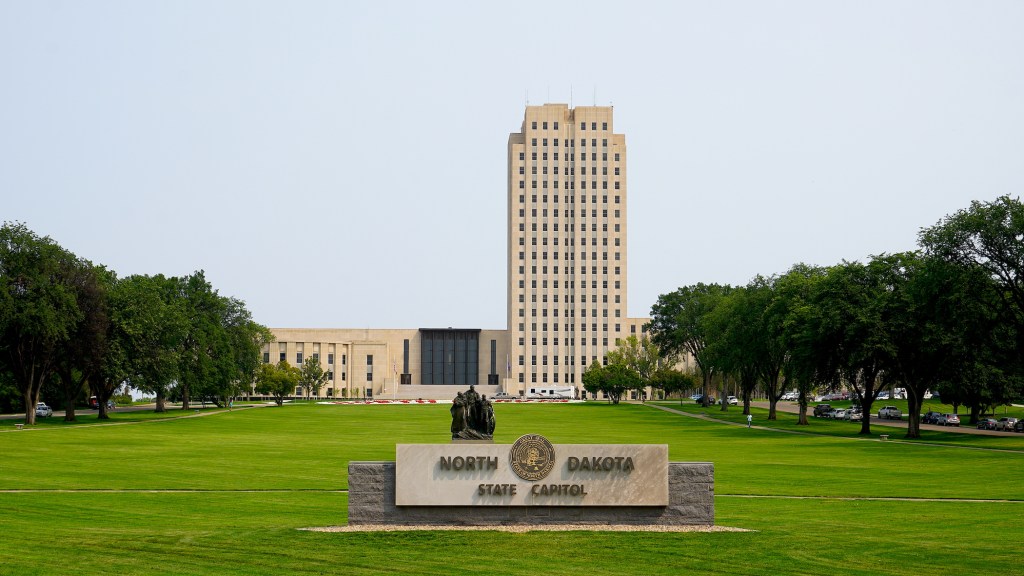
Driving west across the state, we stopped in the capital city of Bismarck. The capitol building was built in several phases including a 21-story Art Deco tower. Nicknamed the Skyscraper on the Prairie, it is the tallest building in North Dakota. I just call it, well, ugly. It is definitely one of the least attractive capitol buildings we have seen so far. I had flashbacks of Nebraska’s and Louisiana’s similar tower features.
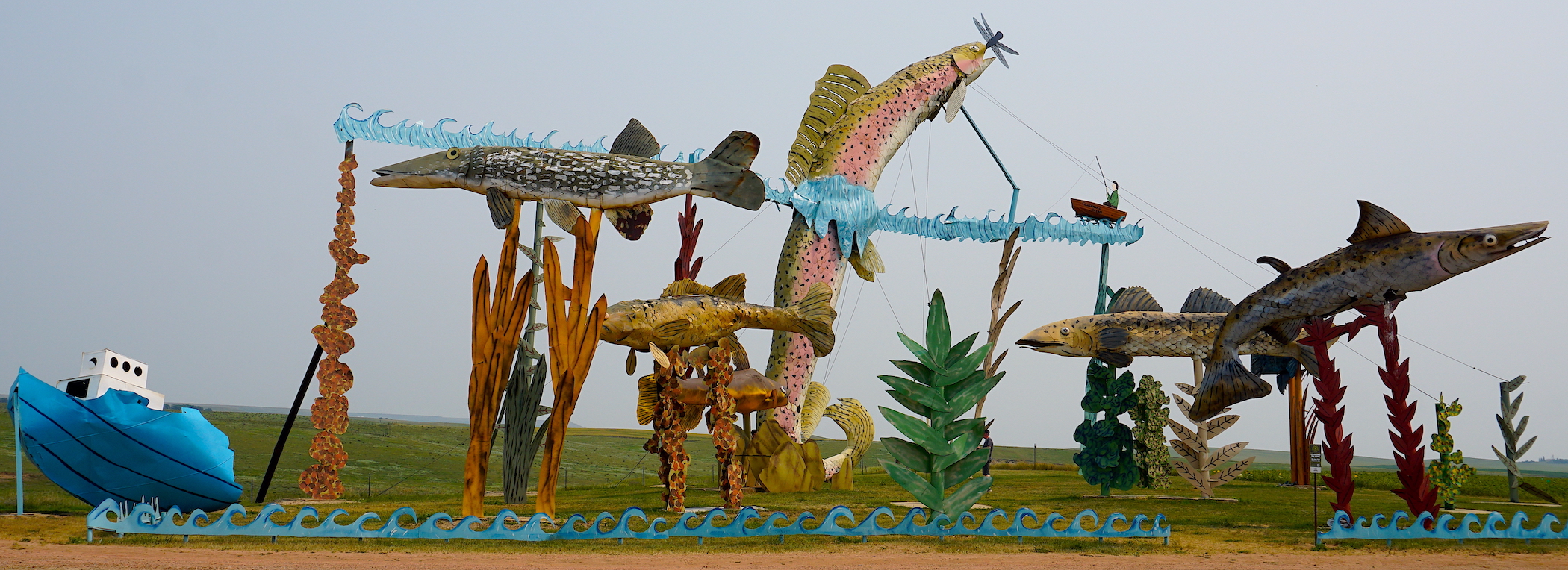
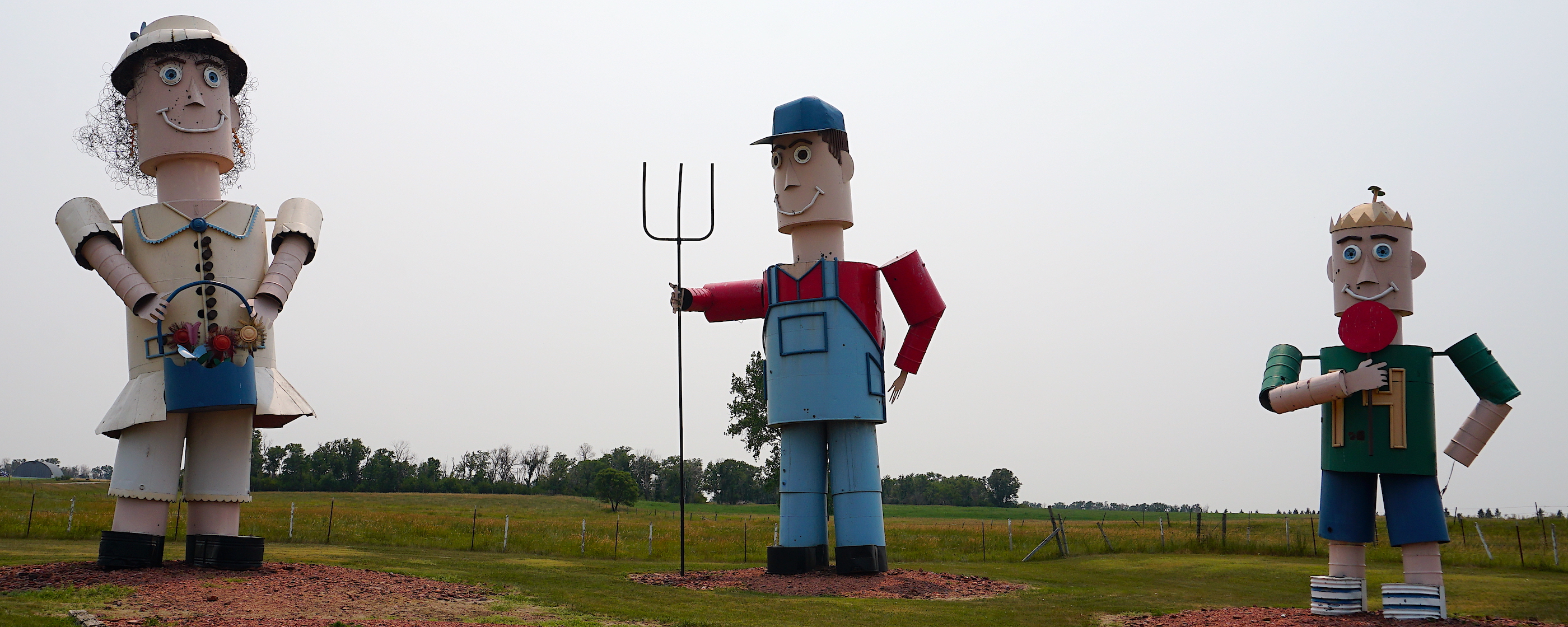
Continuing west toward Dickinson we diverted south at Gladstone to drive the 32 mile Enchanted Highway to Regent. The Enchanted Highway is a stretch of country roads with large scrap metal sculptures along the way. They were created by artist Gary Greff as a way to bring travelers back to his home town of Regent, normally bypassed by the interstate. They were effective, we followed the blacktop through rolling farm fields to Regent, then west to New England, before heading north to Dickinson. It was something to break up our drive across seemingly endless plains but we could have just as easily skipped it.
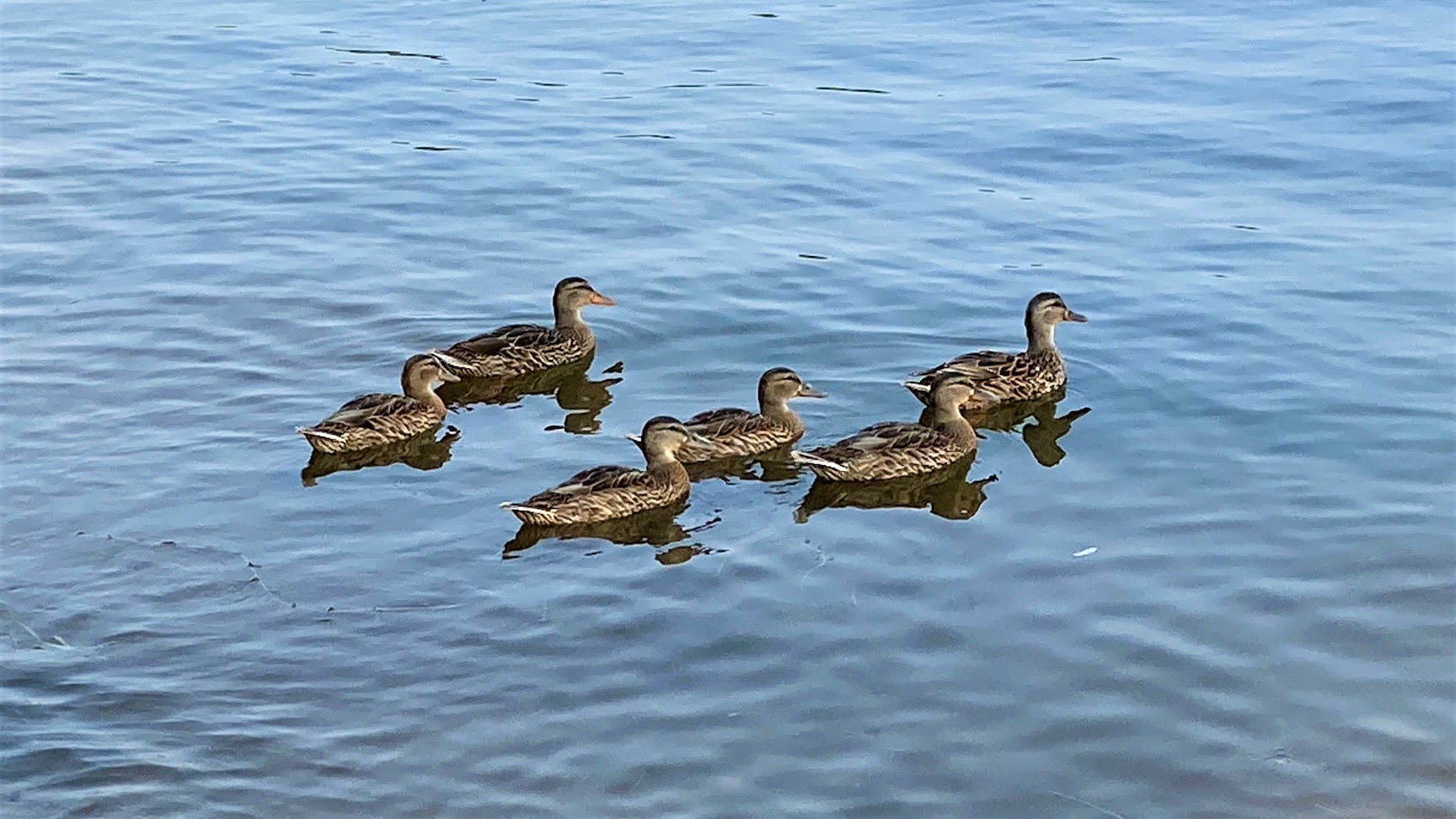
How could we visit the Land of 10,000 Lakes without spending time on a lake? The remainder of our time in the state was spent in Minnesota’s Lake District. We made brief visits to popular spots such as Bermidji, Walker, Nisswa and Detroit Lakes. Bermidji is the alleged birthplace of Paul Bunyan and Babe the Blue Ox and the “Curling Capital of America”, an all-American small town with a peculiar name and an interesting claim to fame. We spent most of our time near Brainerd at Madden’s Resort on Gull Lake. Madden’s is an old school golf and lake resort. It felt like we stepped into the Dirty Dancing movie. We are not golfers but had a great time playing in the water and dominating the pickleball court.
Minnesota is not only famous for its lakes, it is also the start of the Mississippi River. In Itasca State Park, about 20 miles north of Park Rapids, the outlet of Itasca Lake creates the headwaters of the Mighty Mississippi.
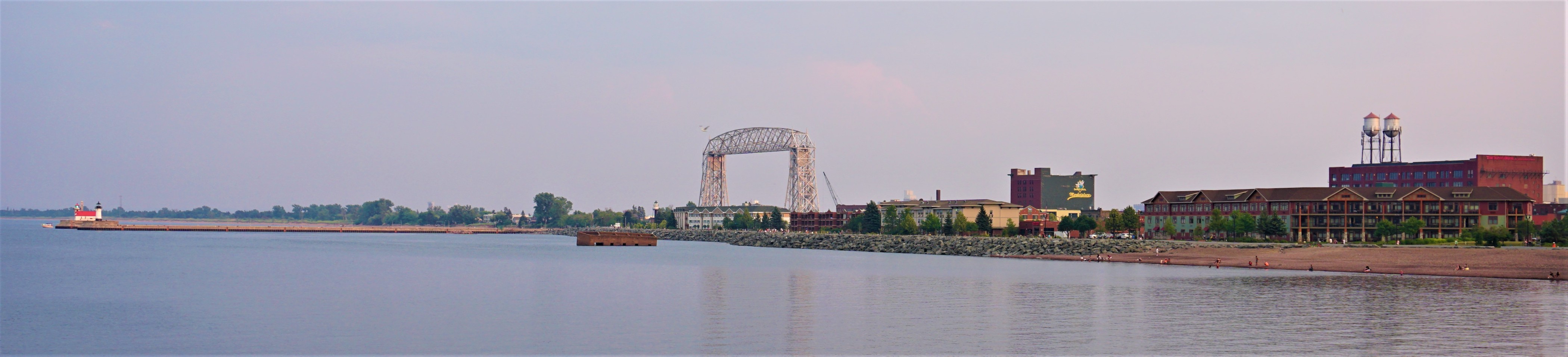
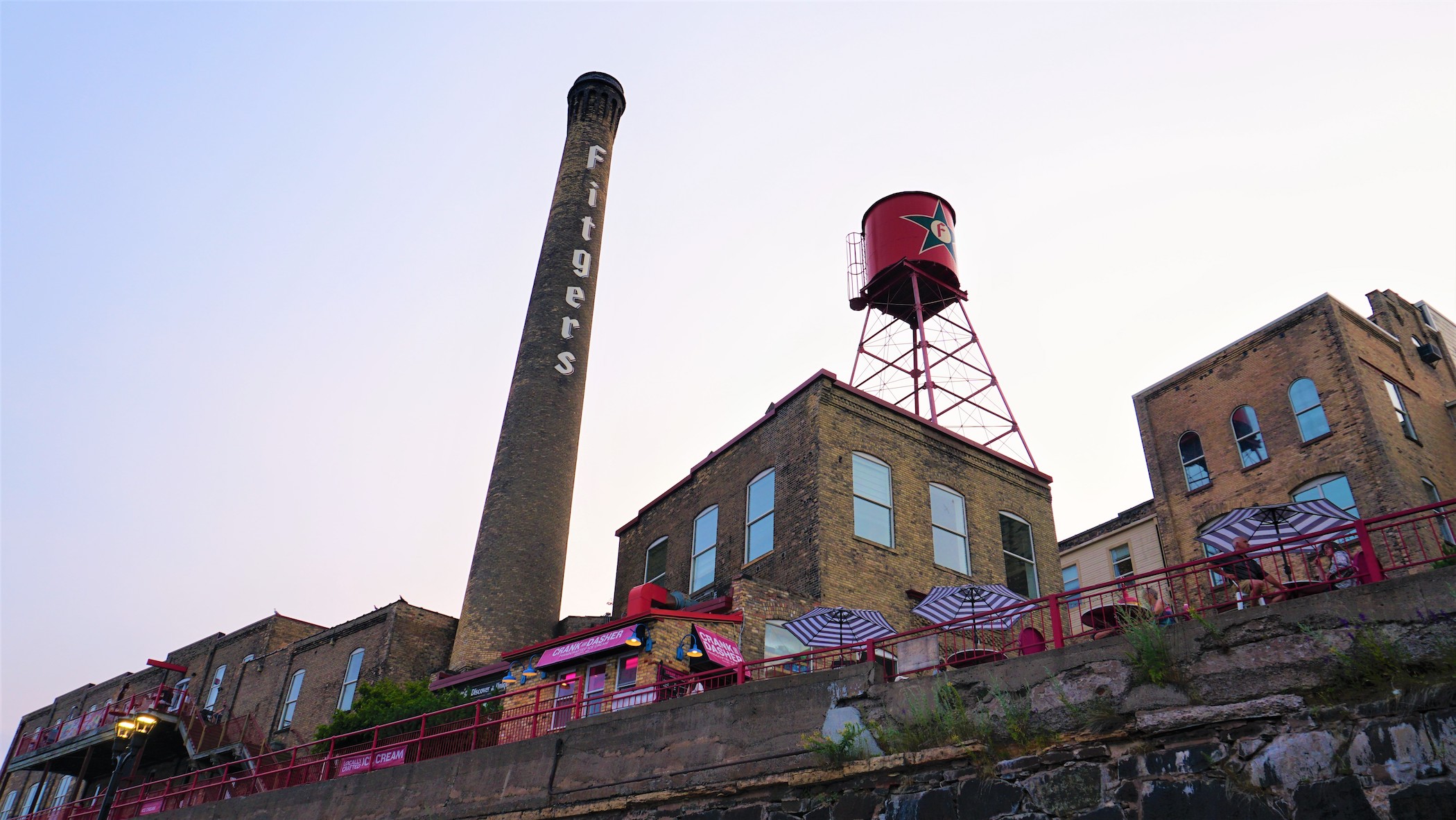
After last year’s travels along the South Shore of Lake Superior, it was time to visit the North Shore. It would have been ideal to spend a night near Grand Marais to make the most of our time, but the resorts and nice hotels in the area all required multiple night stays or were priced well above what we wanted to spend, so we spent both nights in Duluth. Our hotel was in the Canal Park area of Duluth which is the city’s main tourist attraction.
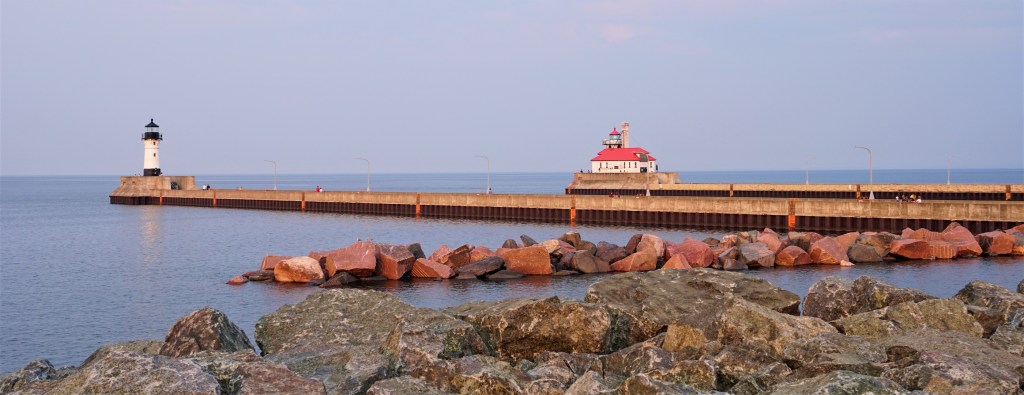
Duluth Canal Lakewalk
The first day we drove as far as Gooseberry Falls State Park, about 40 miles north of Duluth. We took the scenic drive from Brighton Beach to Stoney Point on Congdon Boulevard, which was nice but not as scenic as advertised. We made stops in Two Harbors at The Duluth and Iron Range Depot and Two Harbors Lighthouse. On the way back, we had to stop at local favorite Betty’s Pies, just north of Two Harbors and packed with travelers. In the evening we had plenty of time to get dinner in Canal Park, watch the Aerial Bridge in action, and stroll along the Lakewalk.
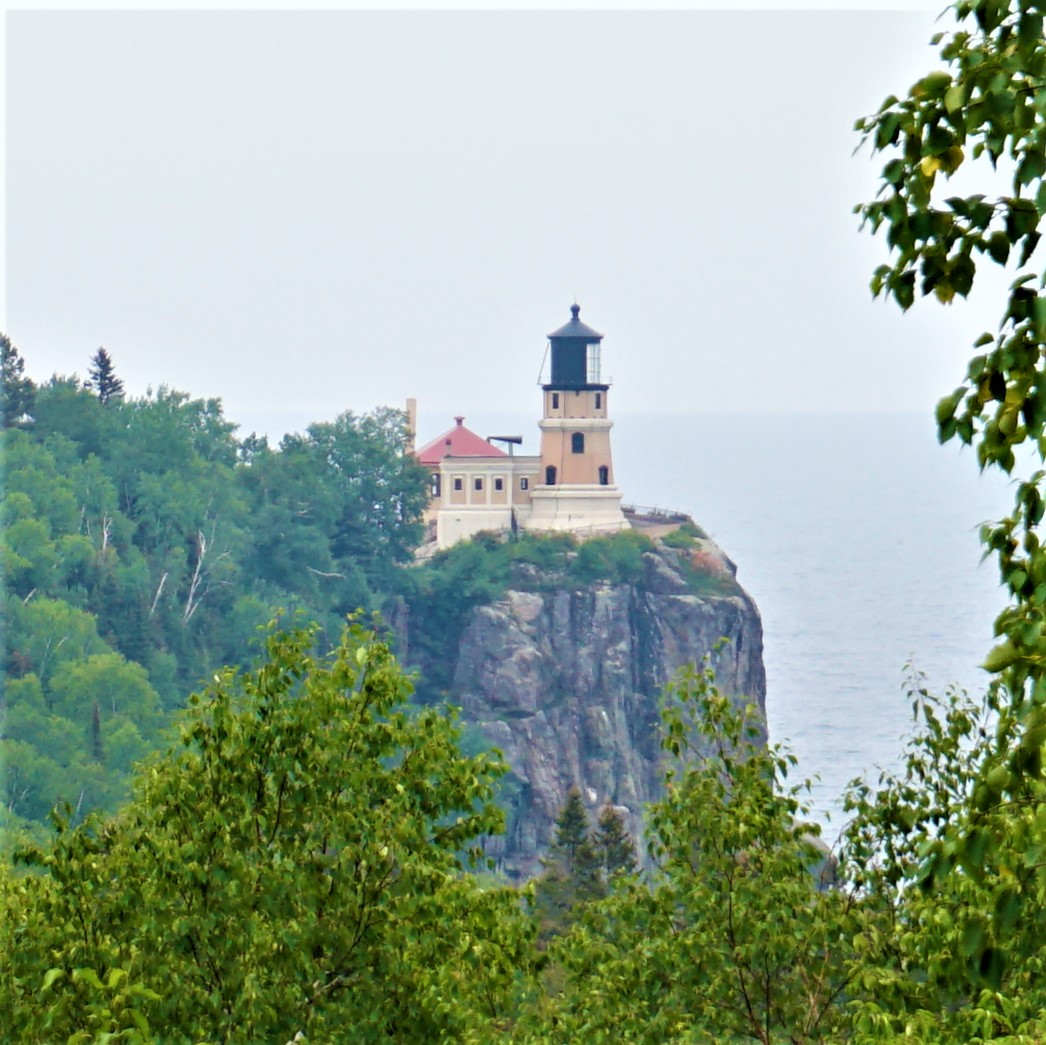
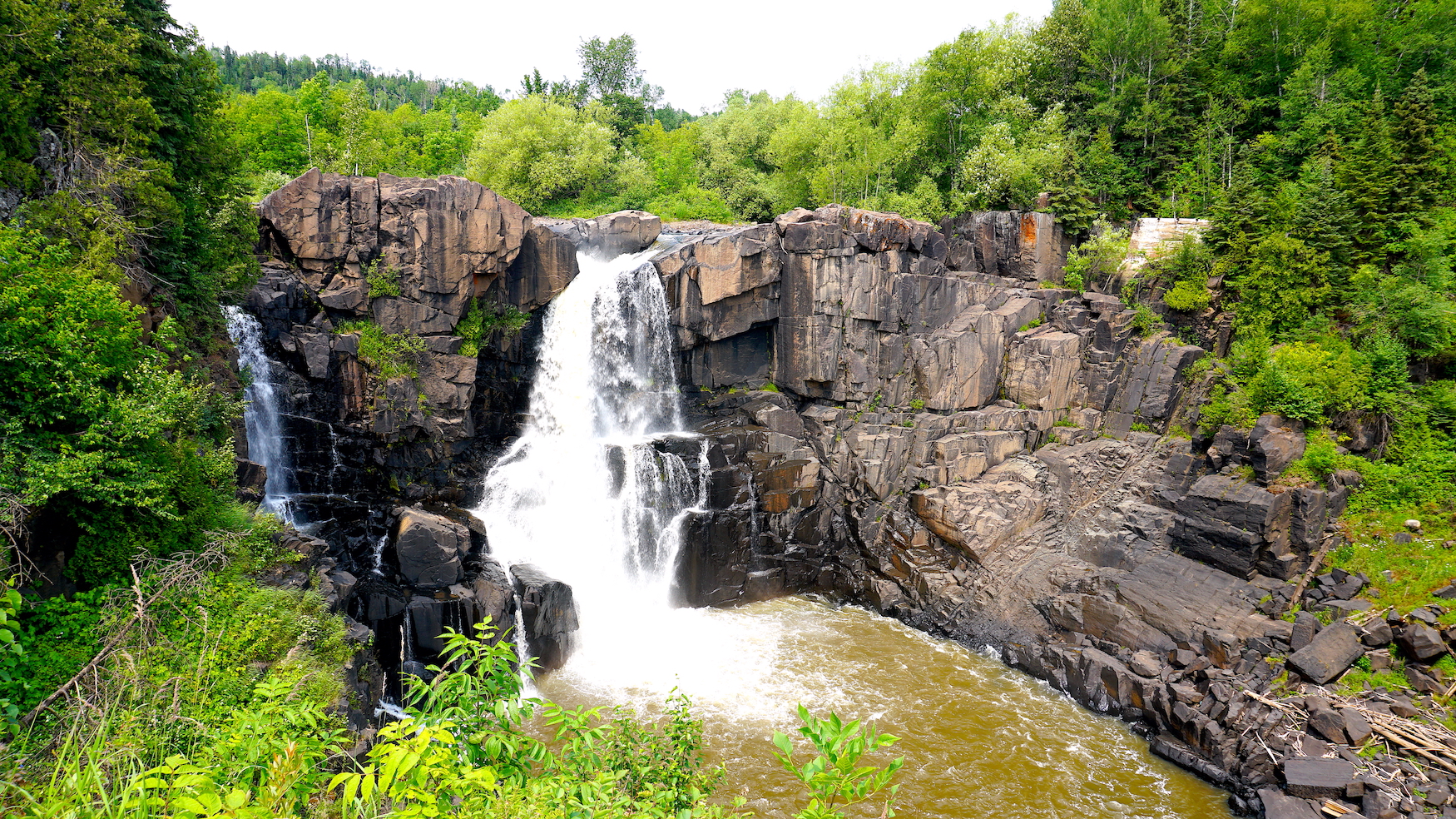
Lake Superior North Shore Drive including Gooseberry Falls and Split Rock Lighthouse
The next day we took the North Shore drive as far as we could go in a Covid world, about 150 miles, to Pigeon River along the Canadian border in Grand Portage State Park. We skipped the Grand Portage National Monument and instead concentrated our time hiking the Falls Trail. It was a nice outing. The river was shallow, we could have easily walked across the river to Canada. It would have been smarter to stop along the way and drive back to Duluth in the dark but instead we opted to sightsee heading south. The problem became a lack of daylight. We stopped at Split Rock Lighthouse but had to skip Temperance River Falls, Palisade Head and High Falls Trail in Tettegouche State Park. What can I say, poor planning.
Vaccinated and ready to travel with few borders open, we decide to see more of the United States. Last year we spent three weeks in the Great Lakes Region and Upper Peninsula of Michigan. This year we decided to continue across the northern midwest from Minnesota’s North Shore of Lake Superior to Eastern Washington, through North Dakota, Montana and Northern Idaho. We started by flying into the “Twin Cities” of Minneapolis and Saint Paul and exploring the surrounding areas for a few days.
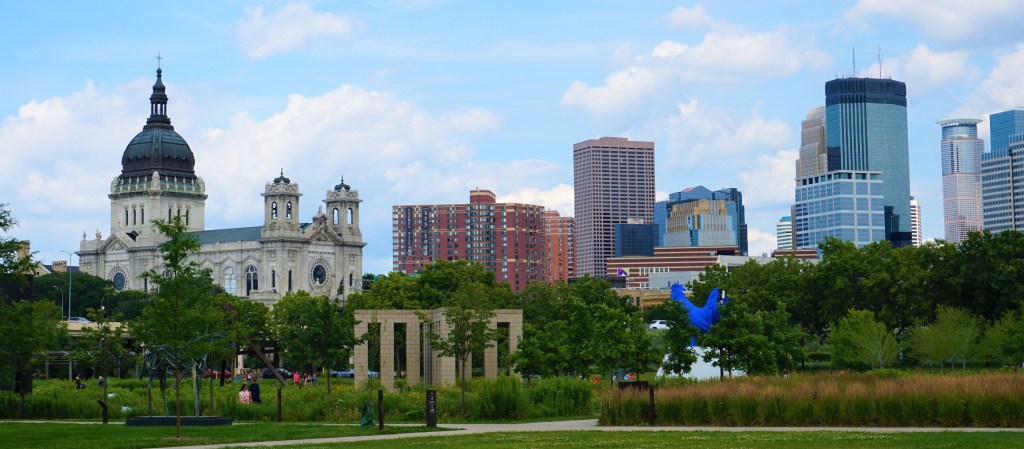
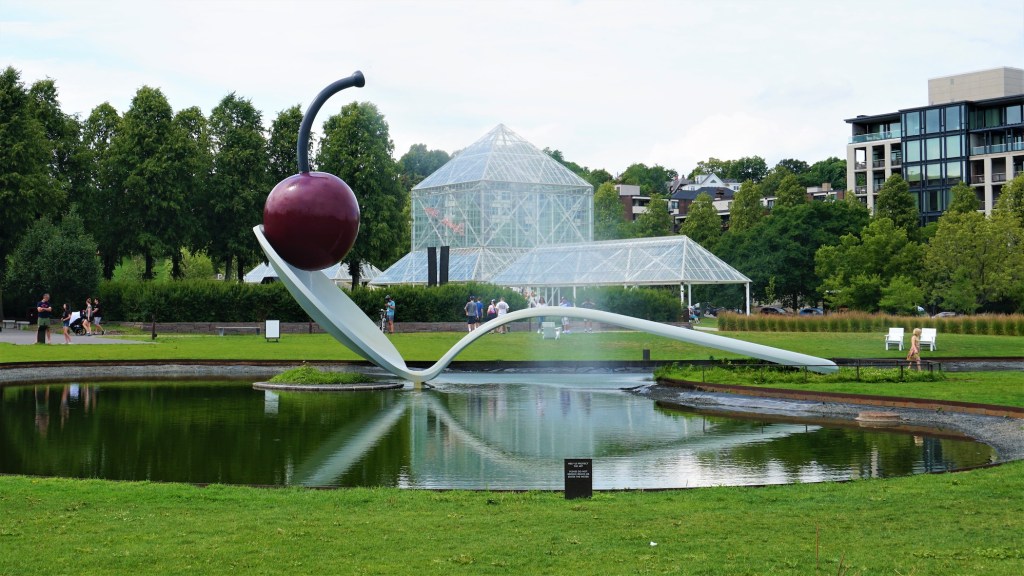
Downtown Minneapolis is generally clean and walkable. We spent one day walking the city, starting and ending in Parade Park, near the Walker Art Center, through the city center, along the Mills District, across the Stone Arch Bridge to Dinkytown and the University of Minnesota, and back through the east side.
Minneapolis Skyline (top left), University of Minnesota, Spoon Bridge and Cherry, Parade Park and City Murals
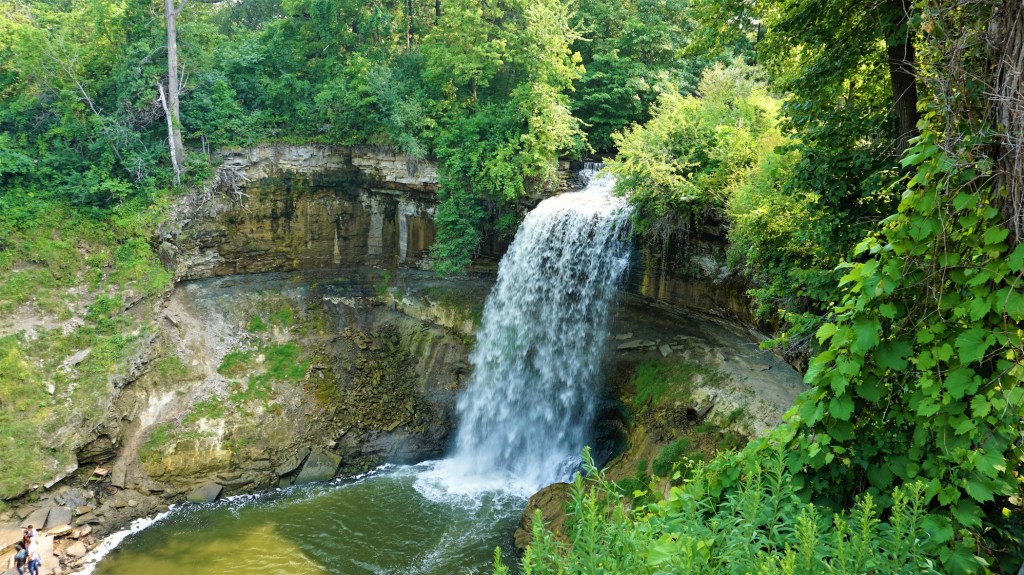
The next day, we spent the evening at Minnehaha Park in South Minneapolis along the Mississippi River.
Col. John H. Stevens’ House, the first European settler of Minneapolis, and Falls in Minnehaha Park
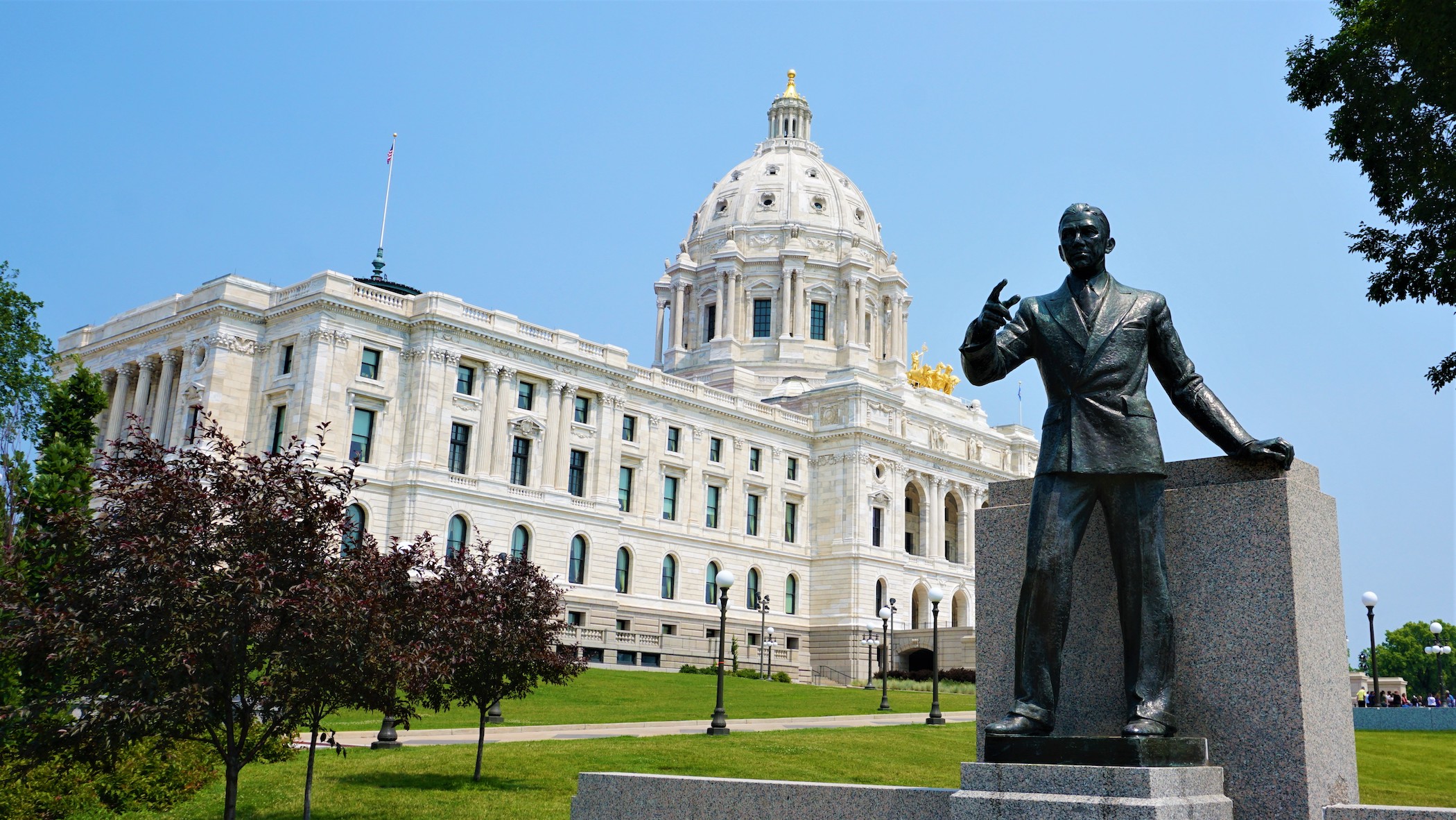
Saint Paul is a much smaller city but worth visiting if for nothing else to see the Cathedral of Saint Paul and the Minnesota State Capital Building. The State Capital Building, built 1896-1905, was designed by Cass Gilbert who also designed several other buildings we have visited including the West Virginia and Arkansas Capital Buildings, US Supreme Court and Saint Louis Art Museum.
Saint Paul, home of Charles Schulz (Peanuts), the State Capitol Building and Cathedral of Saint Paul
During our visit we stayed in Bloomington, a suburb of Minneapolis adjacent to the MSP Airport, within walking distance of the Mall of America (MOA). MOA is a tourist stop in its own right and gave us an outlet in the evenings. It is the 7th largest mall in the world and the largest outside China and Thailand. The center of the mall features a Nickelodeon-themed amusement park. We continued our love affair with Shake Shack and had our first dinner of the trip there.
Mall of America
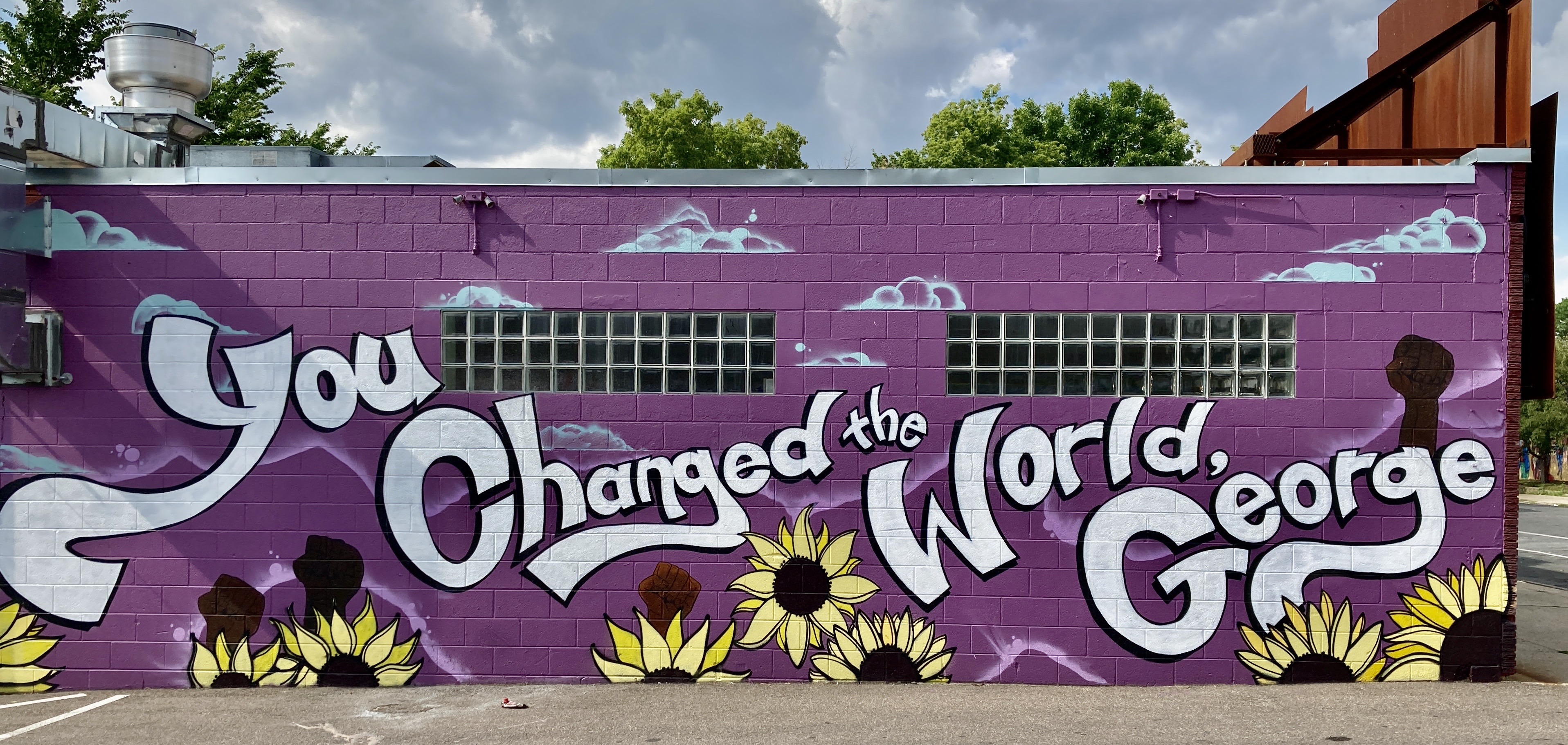
Prior to the murder of George Floyd, Minneapolis was perhaps best known for being home to the Purple One, Prince. Outside of their sports teams, Little House on the Prairie, and Prince, Minnesota’s distinguishing feature might be its lack of distinguishing features. After all, polite midwesterners generally do not demand the spotlight. This all changed on May 25th, 2020. I had not planned to go to the site of his death for fear of being disrespectful, but my daughter, our social warrior, insisted. It later occurred to me this was one of the first major news stories that resonated with our kids in their young lives. I’m glad we went. The neighborhood seems to have embraced their role in history. The makeshift memorials were somber but impactful. Fortunately visitors didn’t treat it like a selfie opportunity.
George Floyd Memorial
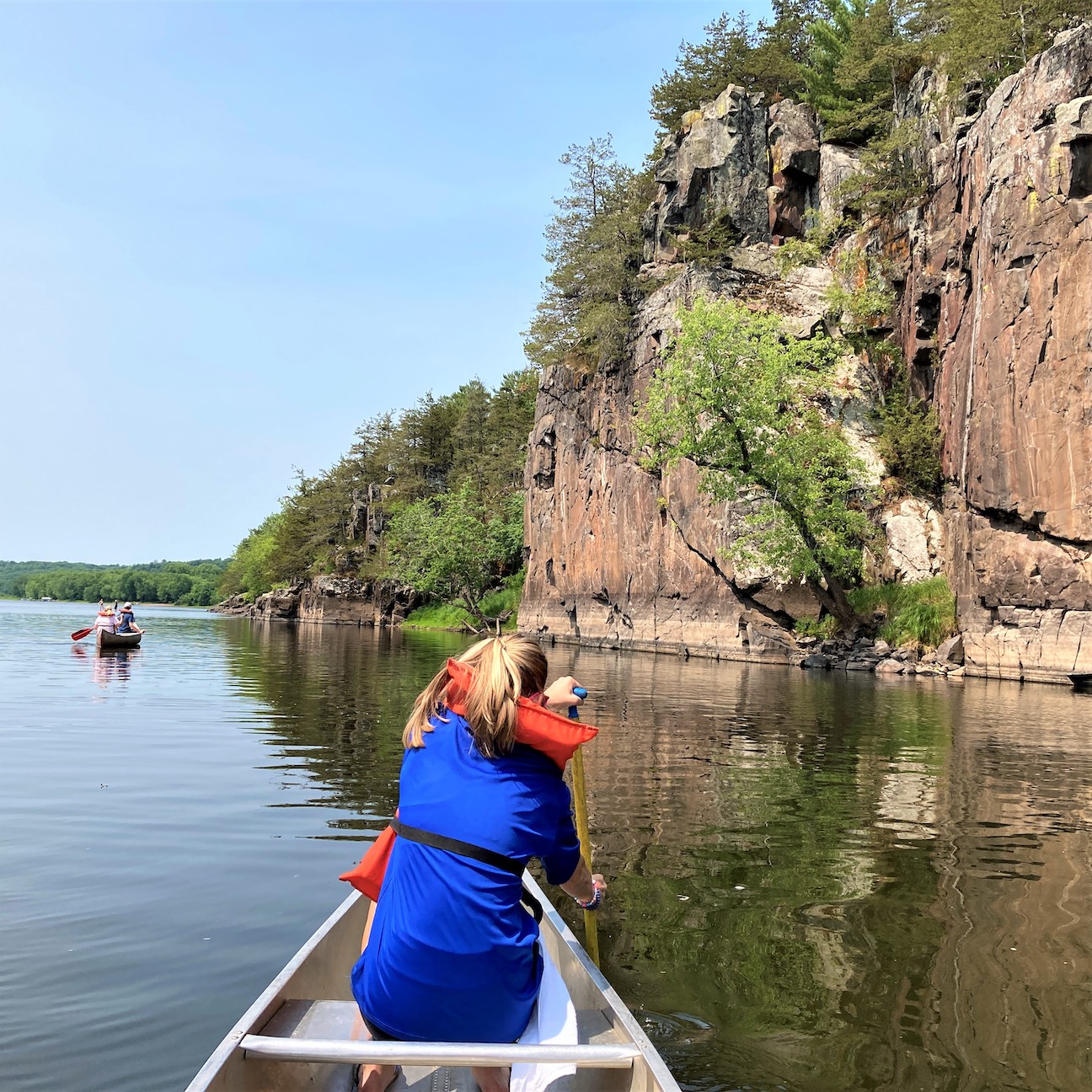
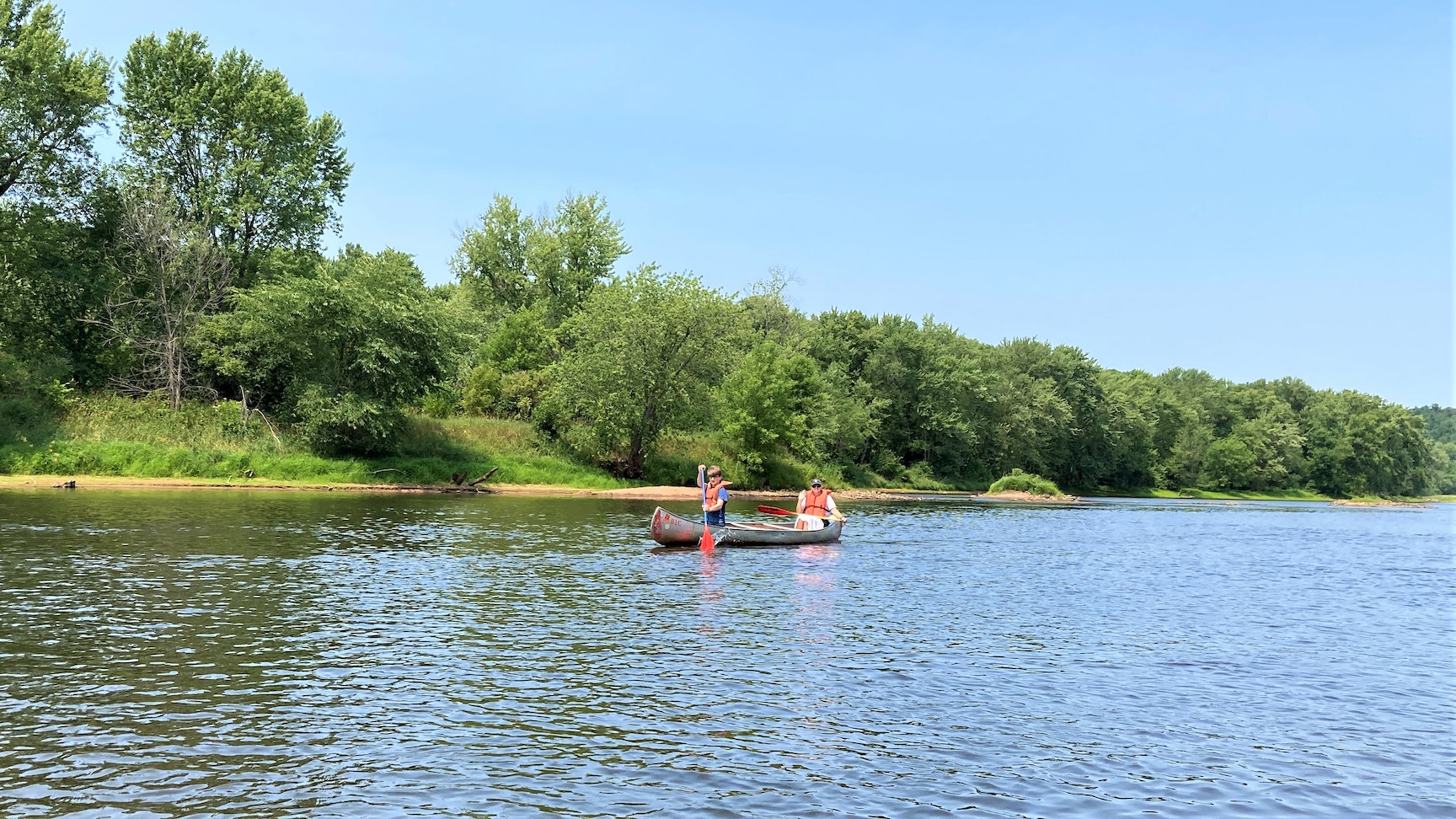
Anxious to get outside the city for awhile, we took the opportunity to canoe the St. Croix River along the Minnesota / Wisconsin border. We rented canoes in Interstate Park near Taylors Falls.














































 American Family Travels
You must be logged in to post a comment.